The Dyer's Handbook: From Furniture Polish to Proclaimed Cures
By Jennie Shurtleff
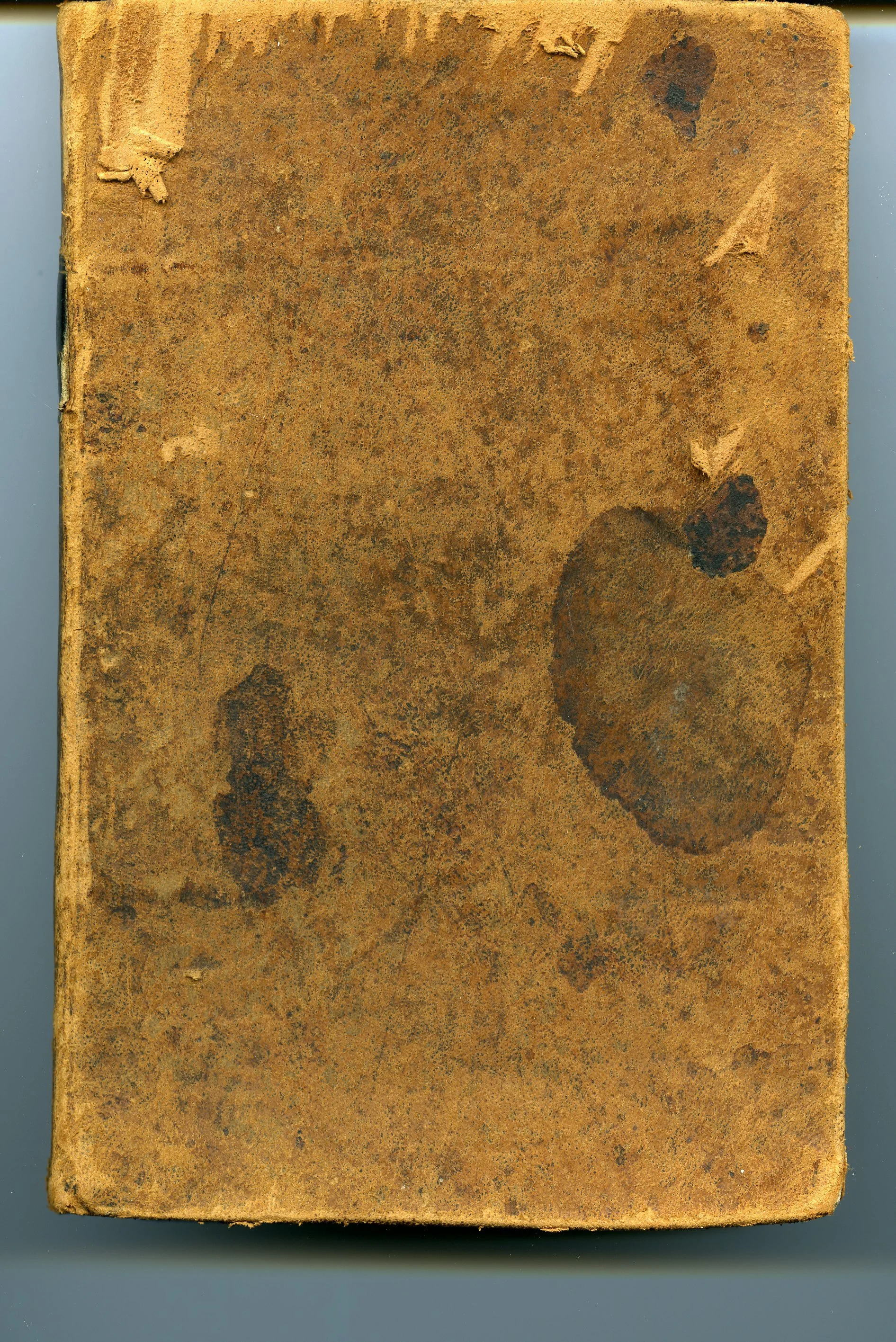
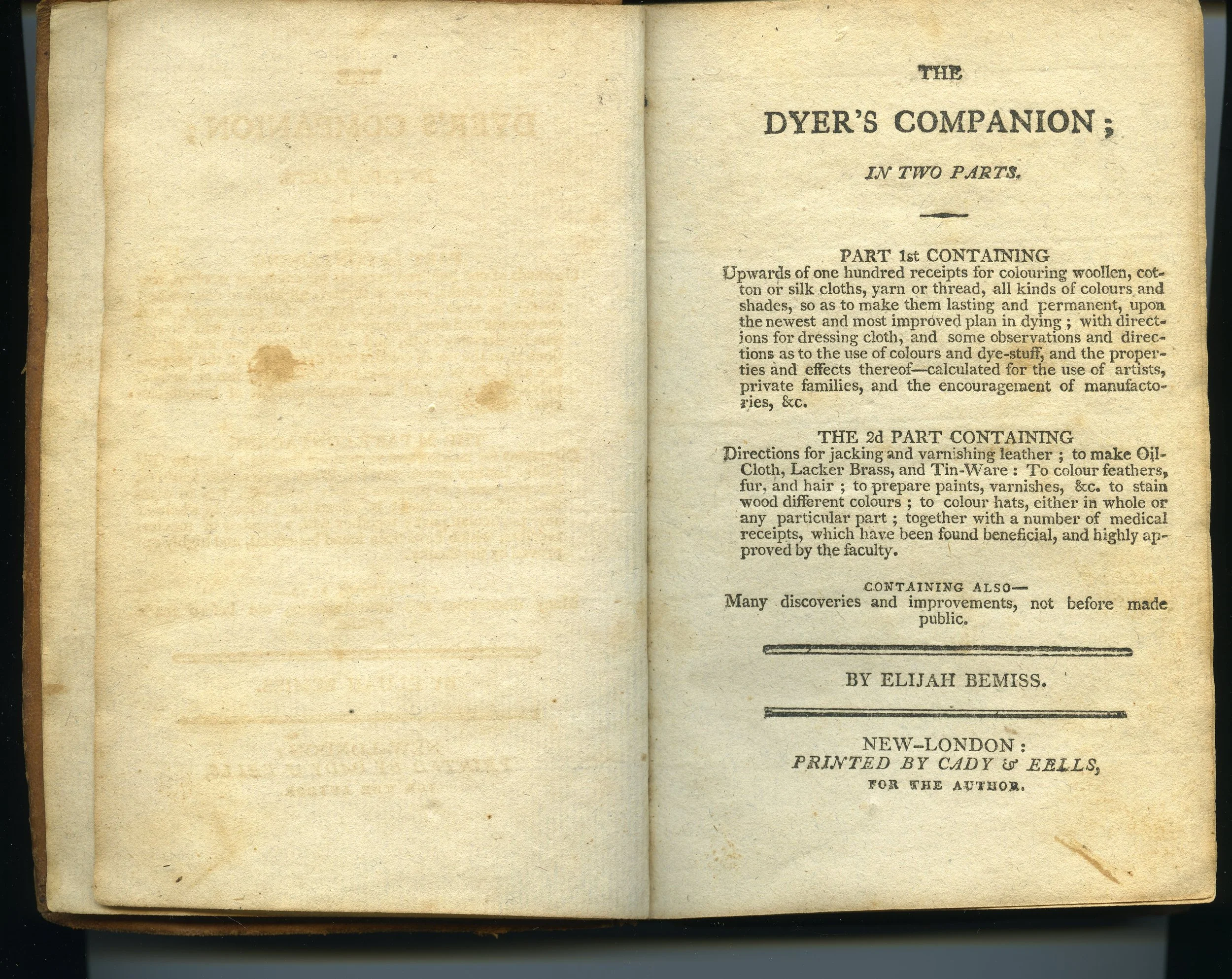
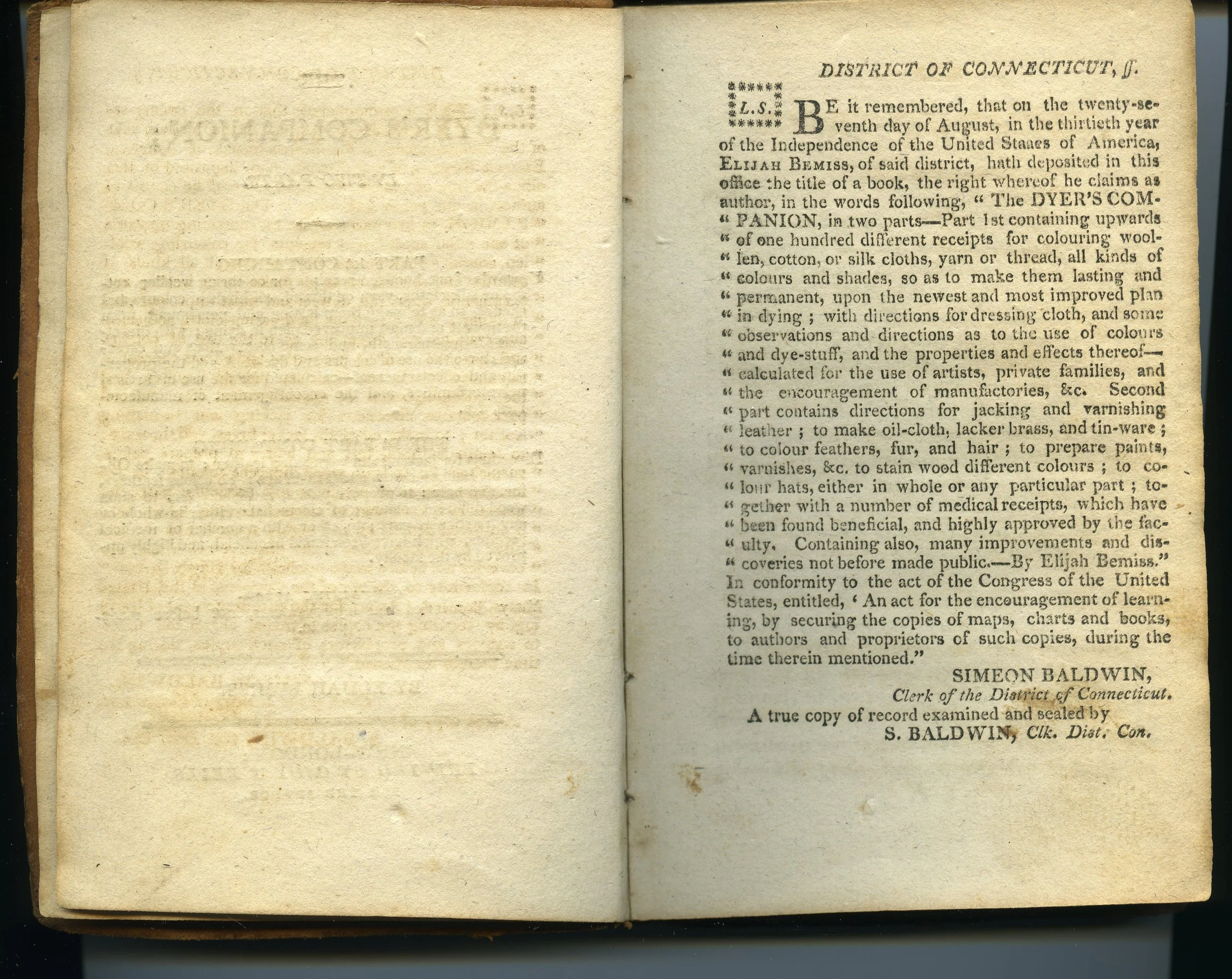
One of the many fascinating books in the History Center’s collection is a leather-bound book titled The Dyer’s Companion; in Two Parts. Compiled by Elijah Bemiss and originally published in 1806, the book offers a revealing glimpse into early nineteenth-century craftsmanship, commerce, and medicine.
The first part, as one might expect, contains “receipts”—what we would call recipes today—that were primarily for creating dyes to be used on cloth. Bemiss notes in the opening pages of the book that many of these dye recipes had previously been guarded as trade secrets. Masters often refused to share them—even with their apprentices—unless a substantial fee was paid, sometimes twenty or thirty dollars for a single recipe. Adjusted for inflation, that would amount to roughly $515–$770 today for a recipe.
The second part of the book, which is the focus on this article, expands considerably in scope, offering receipts for paints, varnishes, stains, and even a number of medical preparations. The breadth of the “useful receipts” in the second part is particularly striking.
Receipt for Waterproofing Cloth
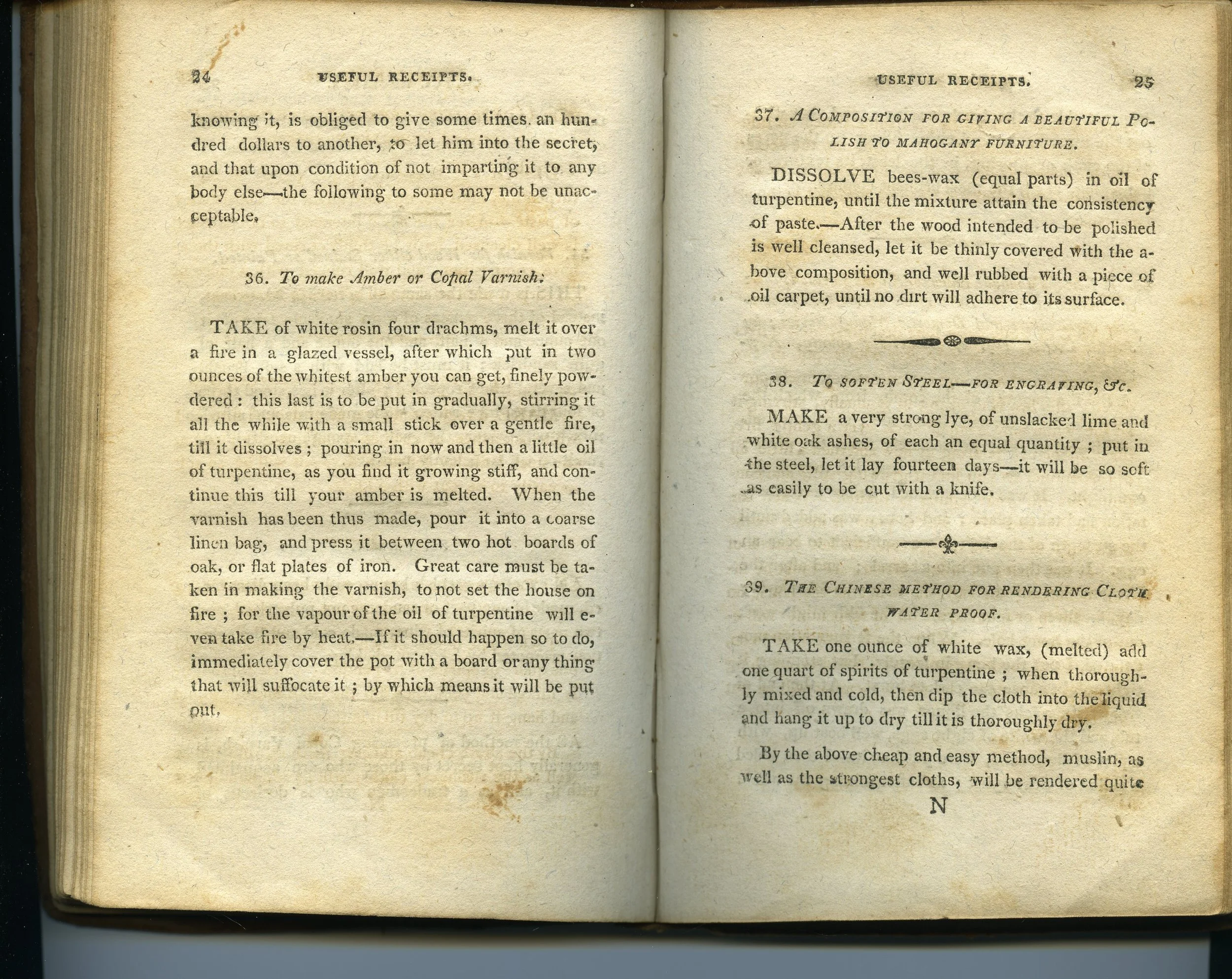
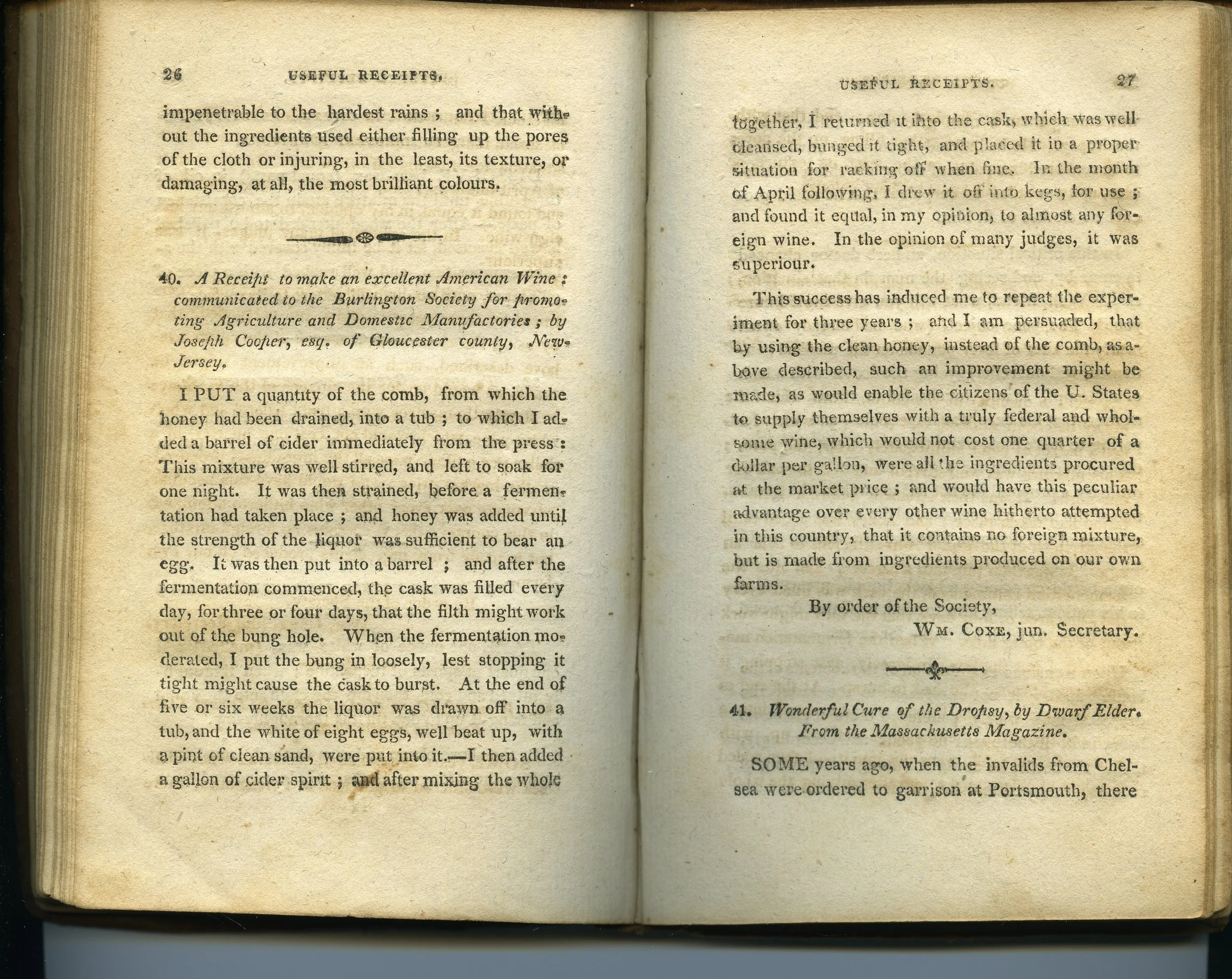
One example of a utilitarian receipt is a recipe for “The Chinese Method for Rendering Cloth Water Proof.” One can imagine that in early times, before the advent of water-repellent synthetic materials, that one would get soaked to the skin if caught outside during inclement weather. Mink oil was traditionally used for waterproofing leather footwear, while the receipt below provided a way to waterproof woven materials.
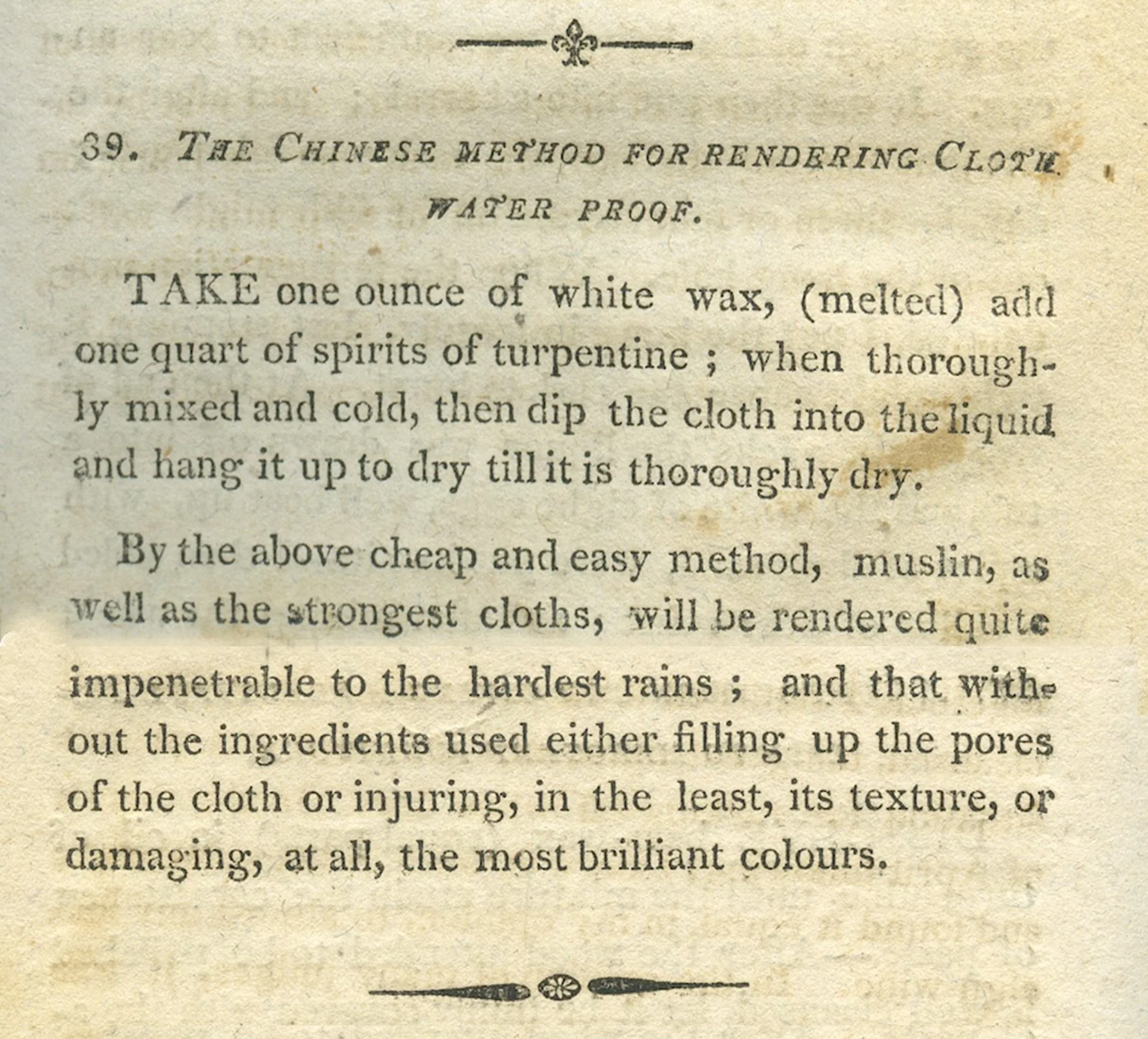
This receipt is specifically identified as “The Chinese Method…” Unfortunately, the author of the book does not explain where he located this receipt; however, it is interesting to note in other receipts, such as one for dropsy, the origin of the receipt is attributed to an Indian woman, underscoring the sharing of knowledge between different cultures.
Receipt for Furniture Polish
Another example of a utilitarian receipt is for a furniture polish that claims to make dirt less likely to stick to the furniture’s surface (thereby making cleaning easier). Additionally, by using beeswax as a main ingredient, this polish would help to seal the wood and keep it from drying out and cracking.
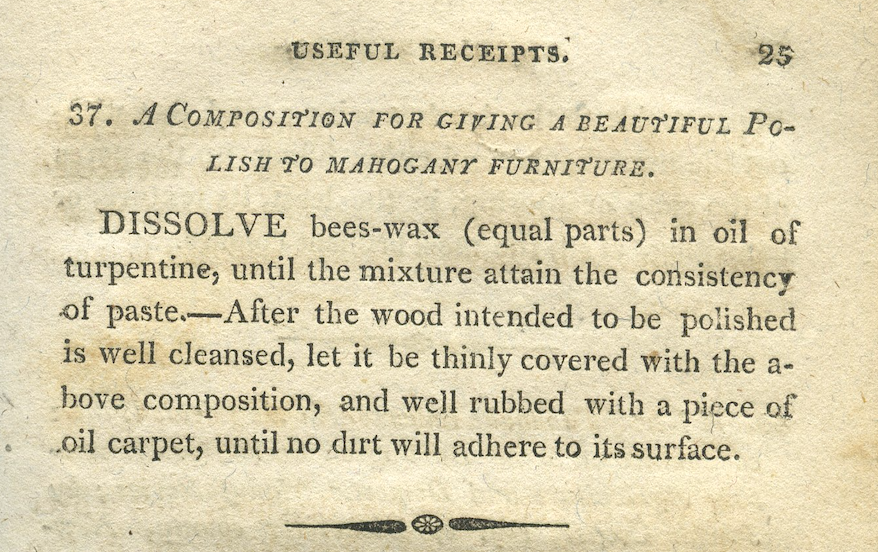
The recipe itself provides few detailed instructions. Perhaps this omission reflects the practical knowledge common in the eighteenth and nineteenth centuries, when melting wax and preparing such mixtures were everyday skills.
Modern homemade furniture polish recipes available online use the same basic ingredients and offer additional guidance not included in the text of The Dyer’s Companion. For example, one of these on-line recipes recommends: 1) using refined beeswax to avoid abrasive particles that might mar a finish; 2) melting beeswax in a double boiler to reduce the risk of fire; and 3) choosing traditional gum turpentine—distilled from pine resin—rather than synthetic mineral spirits.
Receipts for Curing the Dropsy
Beyond household applications, The Dyer’s Companion ventures into medicine, including several treatments for “the dropsy.”
Dropsy was a common term used prior to the twentieth century for what we now call edema—fluid retention in the body’s soft tissues, often visible in the legs and feet. While edema itself is not a disease, it is a symptom of other underlying conditions such as congestive heart failure, liver disease, or kidney disease.
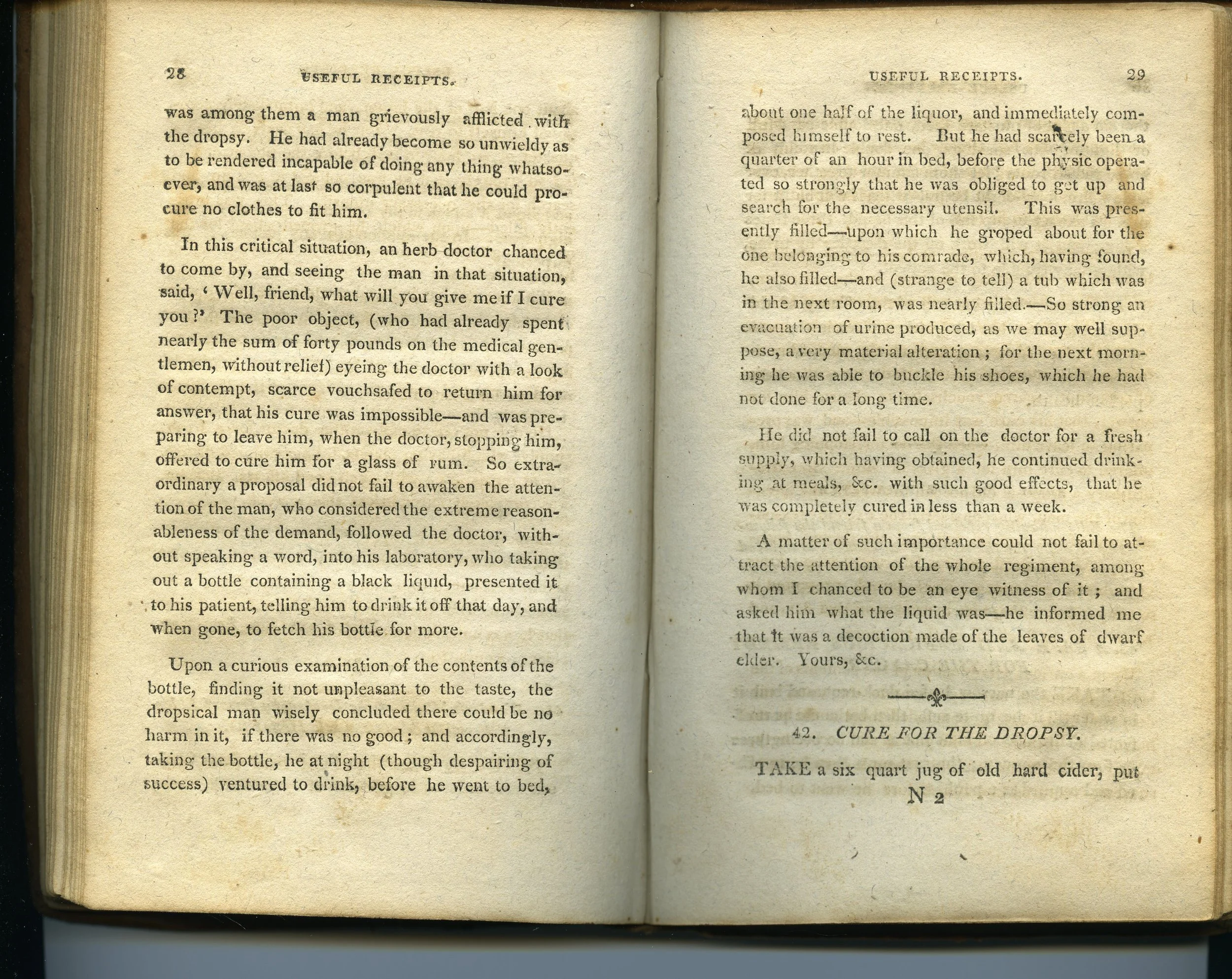
The first cure for dropsy described in the book involves a decoction made from the leaves of dwarf elder (Sambucus ebulus), also known as danesblood, dane weed, dane wort, or dwarf elderberry. A testimonial accompanies the recipe, recounting the supposed recovery of a man “grievously afflicted with the dropsy,” who had become so swollen he could no longer find clothing to fit him.
According to the story, a doctor offered to cure the man in exchange not for a large sum—as the patient had already spent nearly forty pounds (approximately $3,000 today) on unsuccessful treatments—but merely for a glass of rum. The man agreed and procured the medicine from the doctor. After drinking half the bottle of the prescribed decoction that evening, the patient reportedly experienced its powerful diuretic effects within fifteen minutes. By morning, the swelling had diminished significantly, and within a week he was said to be fully restored to health.
Interestingly, dwarf elder is now known to be toxic if not properly prepared. It is possible that the historical decoction process neutralized some of its harmful compounds through extended heating. Nevertheless, this example underscores the importance of caution: historical remedies should never be used without careful consultation of current medical knowledge.
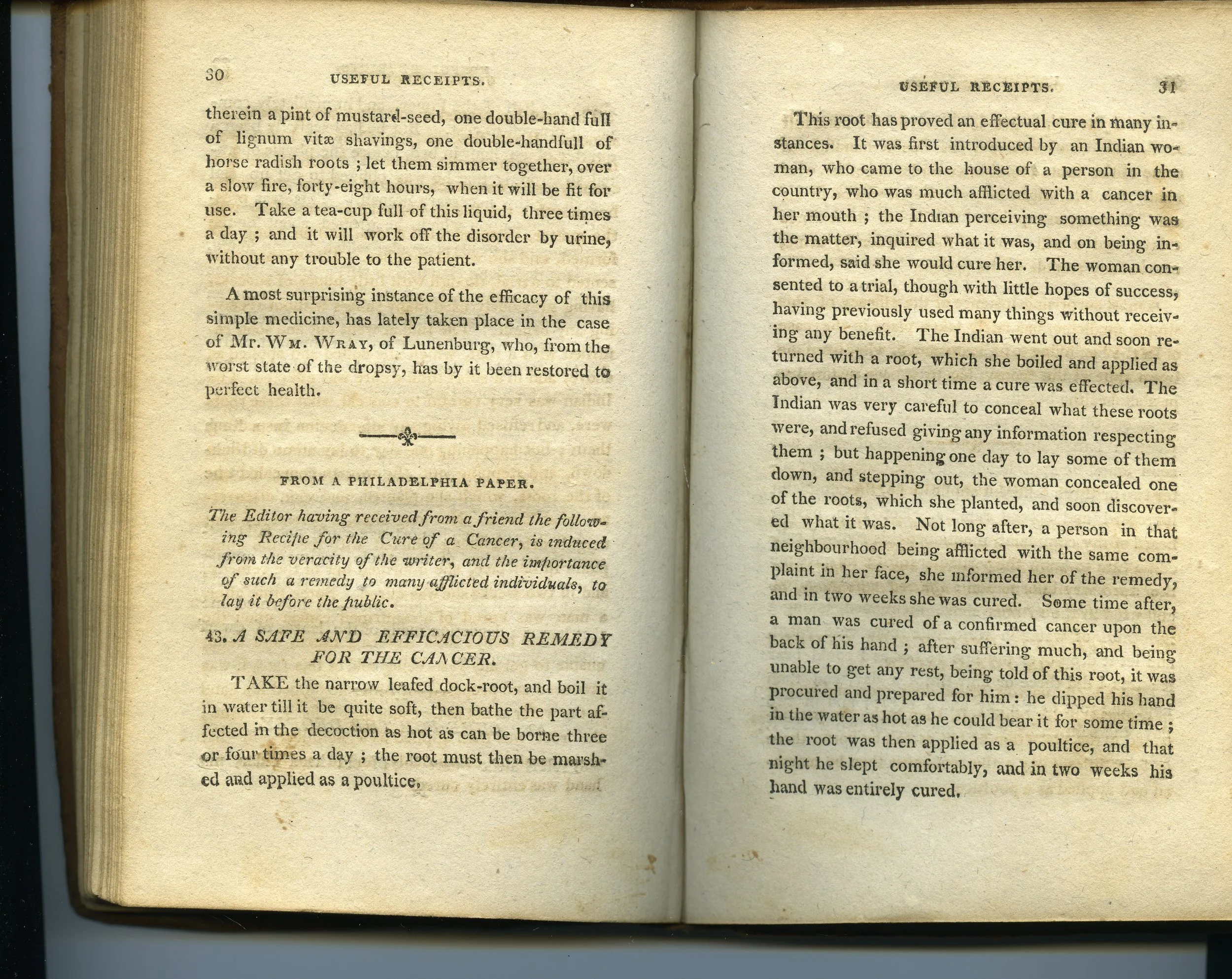
Another dropsy treatment in the book calls for “old hard cider” and shavings from the lignum vitae tree (lignum vitae being a Latin term that literally means “wood of life”). Long ago people had discovered through careful observation and experimentation that the medicinal components of the lignum vitae were found mainly in the tree’s resin, and they could be extracted more efficiently using alcohol (hard cider) rather than water. The long simmering process that lasted 48 hours would have condensed the sugar in the cider (which also acts as a diuretic) as the concoction was reduced into a medicinal tincture.
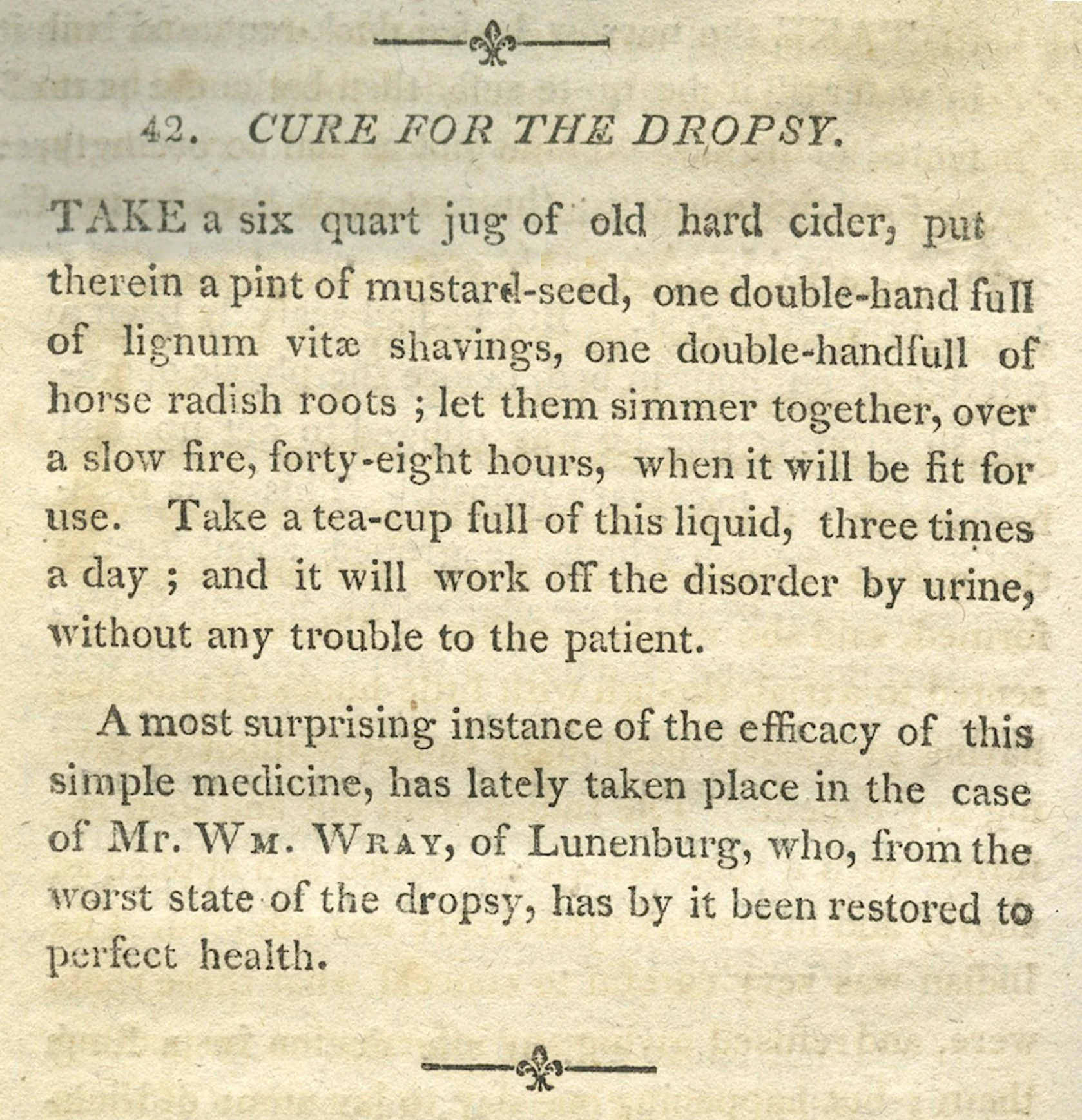
In both of the above dropsy remedies, the focus appears to be on relieving the symptom—fluid retention—rather than addressing the underlying disease. This raises questions about claims of being “restored to perfect health,” particularly when the root cause may have remained untreated.
Receipt for Curing Cancer
A similar oversimplification appears in the book’s approach to curing cancer.
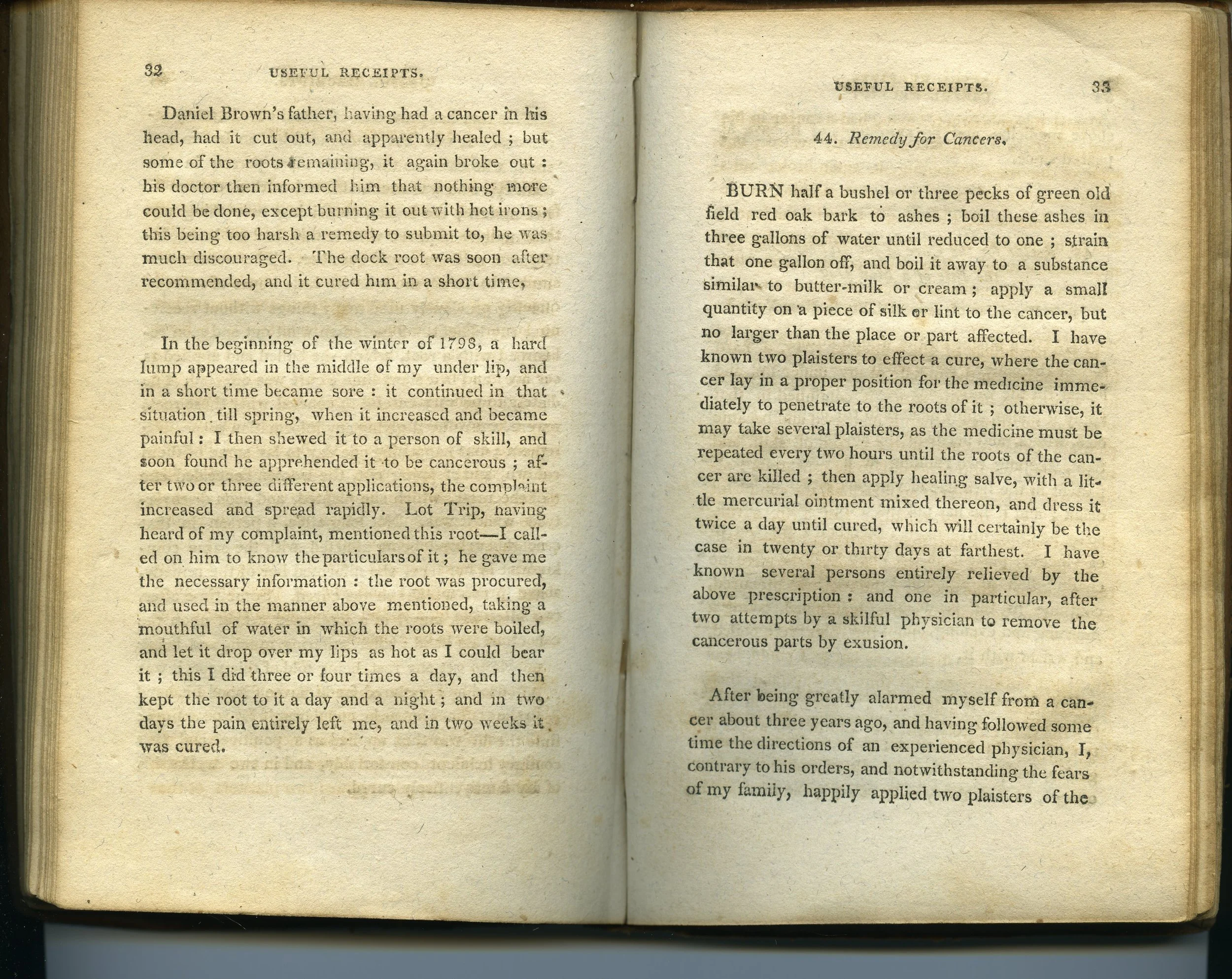
One recommended treatment employed yellow dock root as its active ingredient. The root was boiled until soft; the affected area is bathed in the liquid decoction, and the mashed root is then applied as a poultice.
The book goes on to explain the origins of this “cure” which supposedly was adopted from Native American culture.
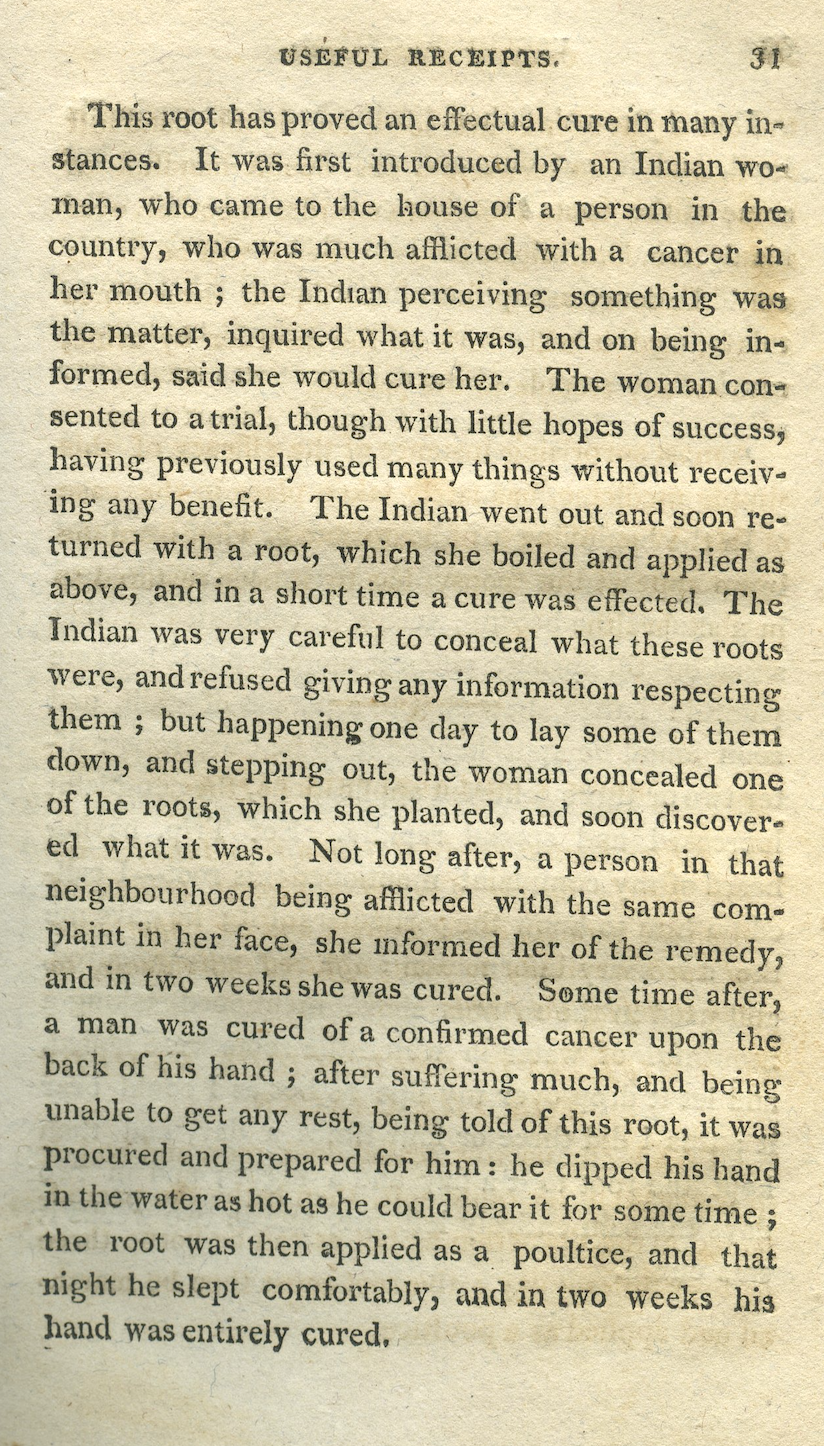
Yellow dock has a long history in traditional medicine, where it has been used to treat skin conditions, relieve constipation, aid digestion, and support liver function. Even today, some herbalists prepare it as tea, syrup, tincture, or topical salve for various ailments. However, there is no current credible scientific evidence that such treatments cure cancer. As with many historical remedies, the line between chance positive outcomes and actual medical efficacy may have been blurred.
Receipt for Curing the “Bite of a Mad Dog”
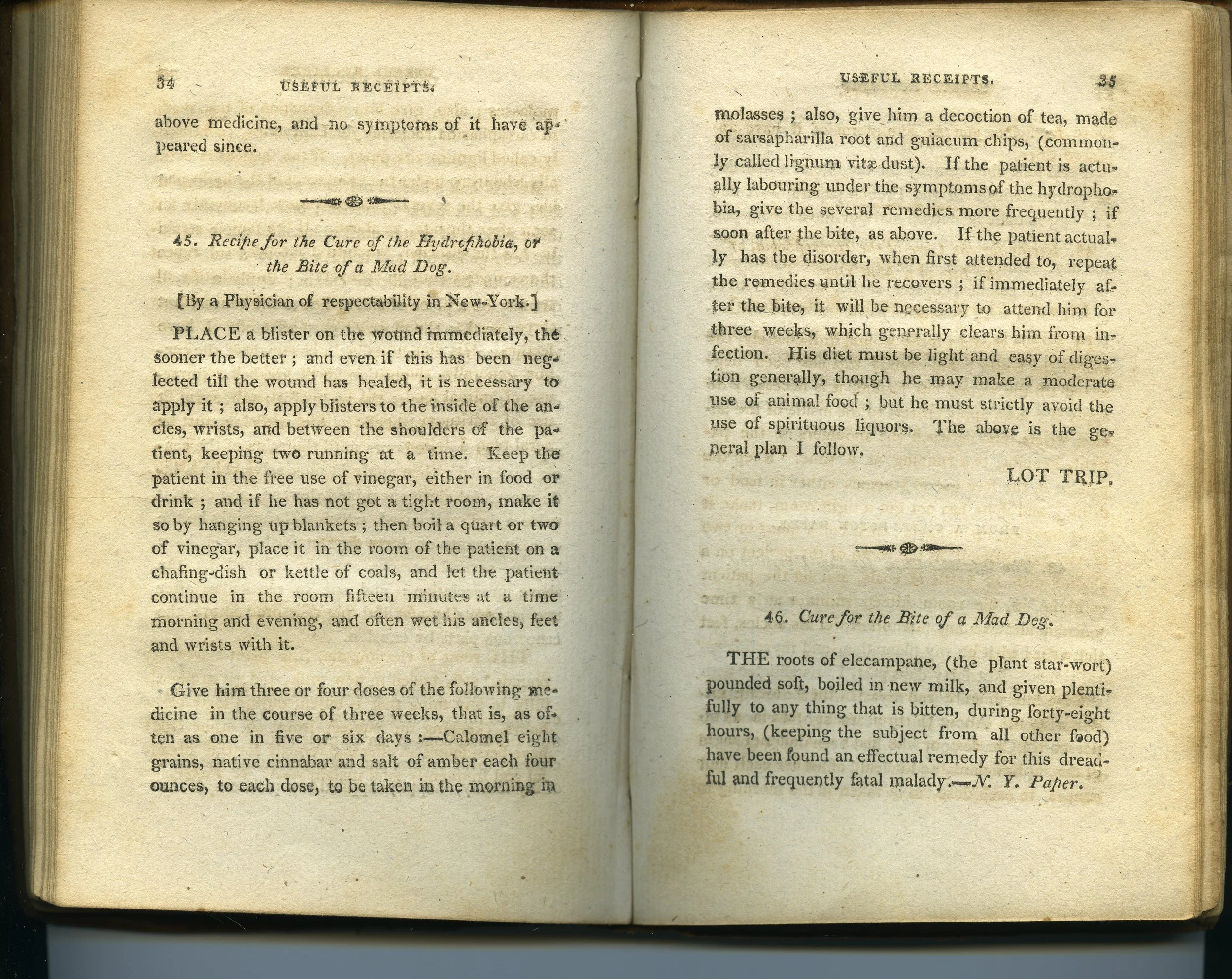
Some of the most interesting inclusions in the book are three recipes for the treatment of hydrophobia, or “Bite of a Mad Dog”—what we now know as rabies.
Rabies is almost always fatal without prompt medical treatment and post-exposure prophylaxis. Transmitted through the saliva of infected animals, the virus may incubate for weeks or even months without symptoms as it travels to the brain. Initial signs—fever, fatigue, headache, and tingling near the wound—are followed by agitation, hallucinations, difficulty swallowing, convulsions, coma, and death.
In the late eighteenth century, reports of “mad dogs” were not uncommon in the American colonies. Given the terrifying nature of the disease and the close proximity in which many people lived with animals, any proclaimed cure would have been of intense interest.
The following article, published by the Burlington, Vermont, paper Sentinel and Democrat in 1806, the same year that The Dyer’s Companion was published, indicates the concern over the disease.
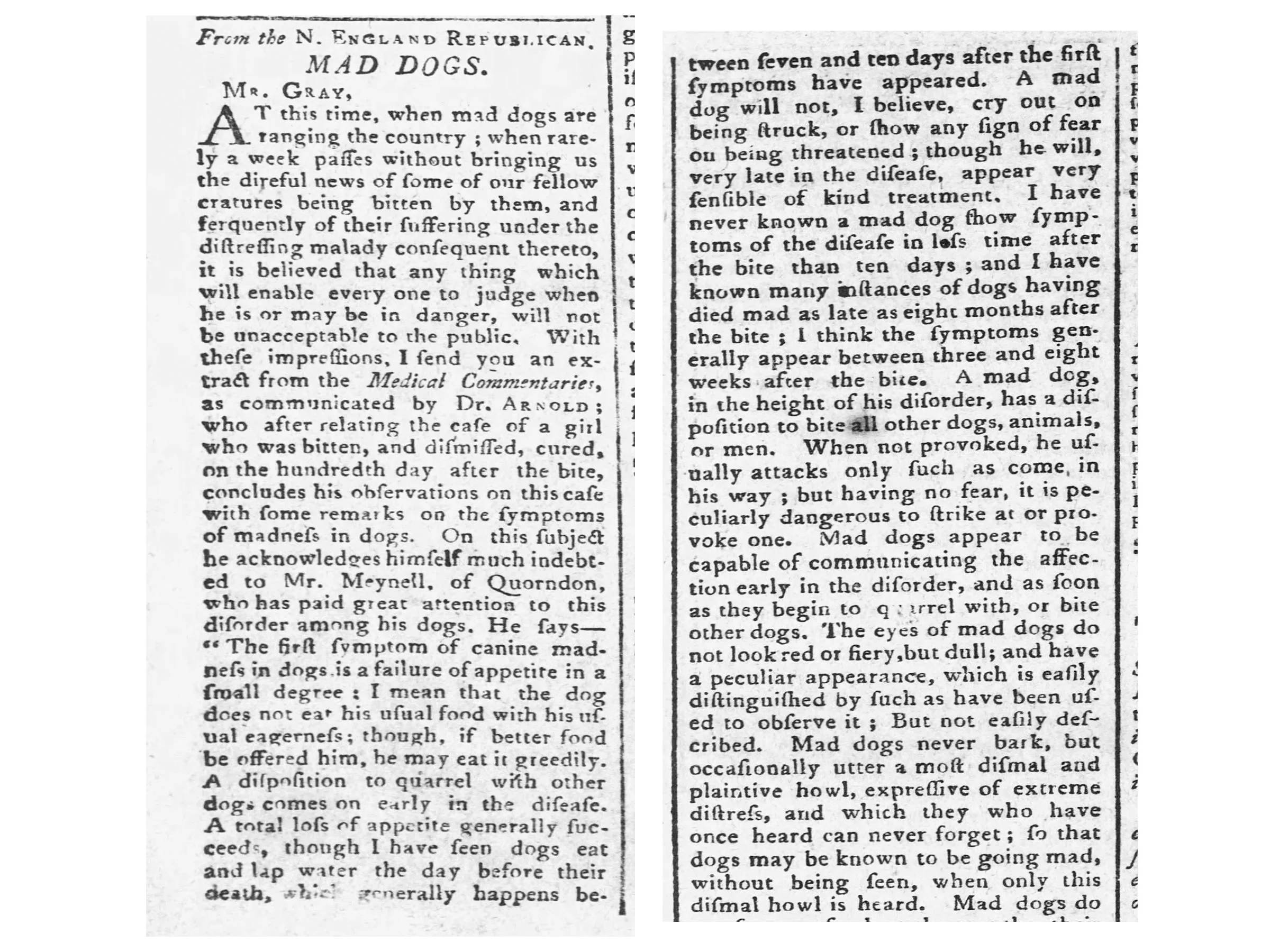
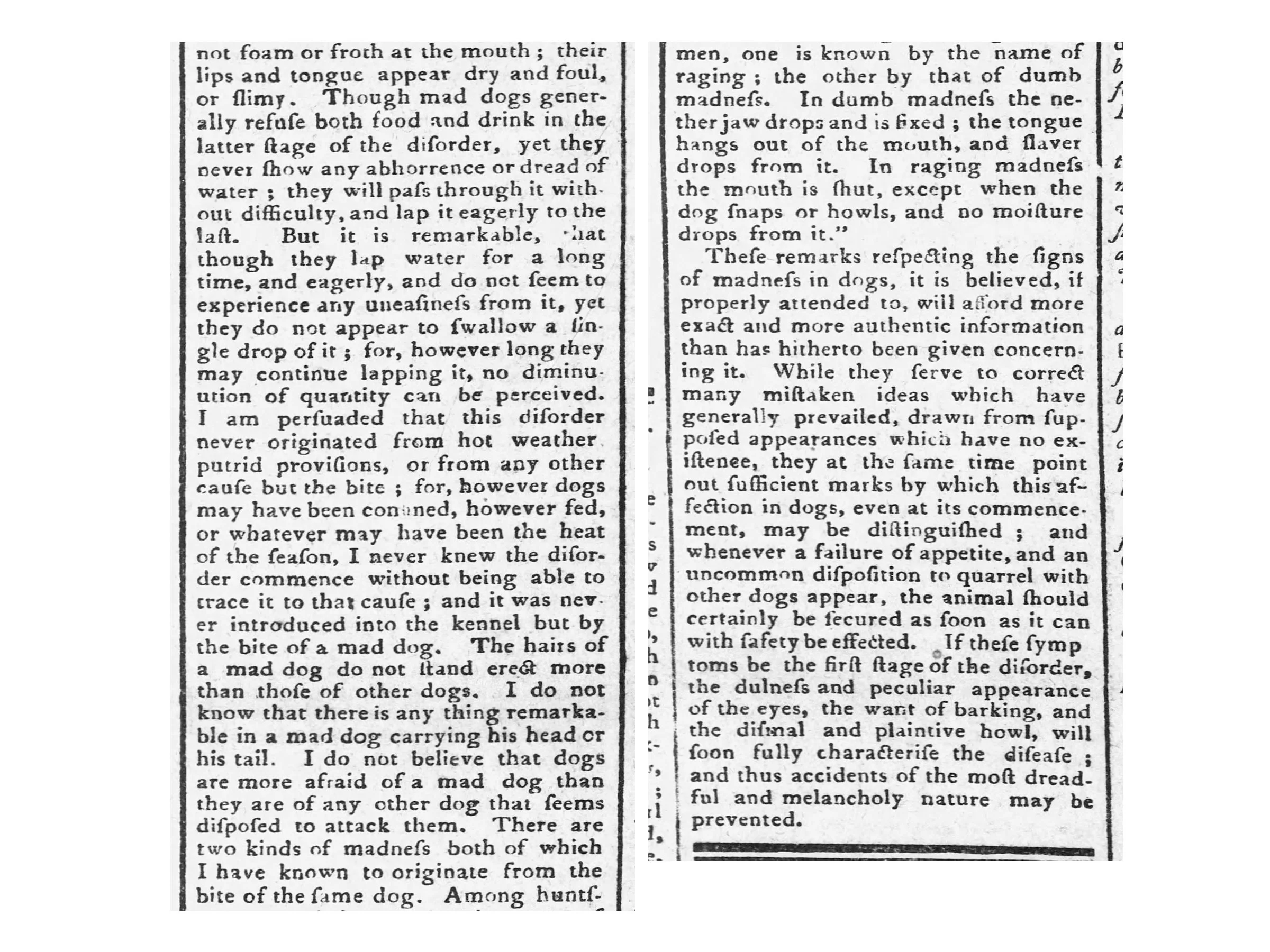
The ubiquitous nature of rabies and the intense fear of the disease, undoubtedly accounts for the inclusion of three recipes claiming to cure the “Bite of Mad Dog,” one of which is shown below.
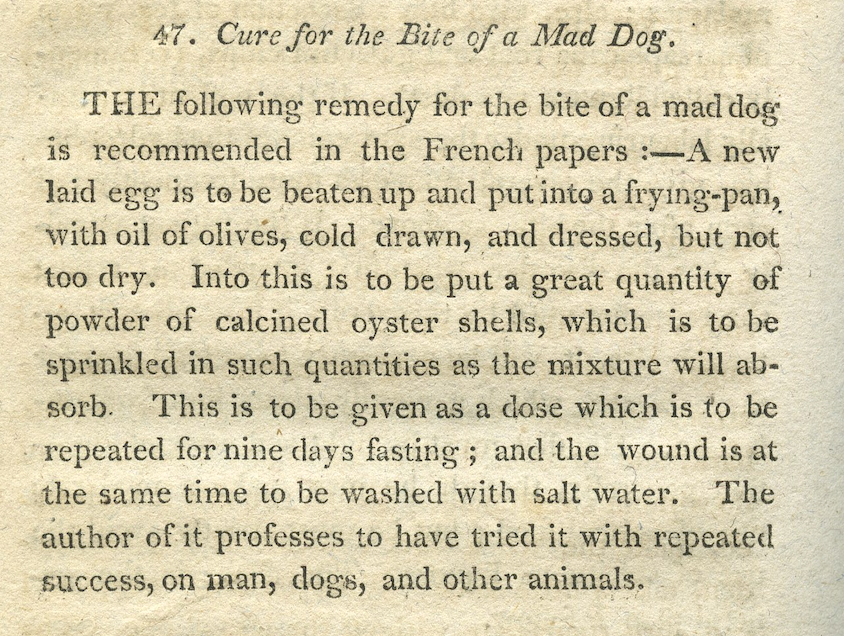
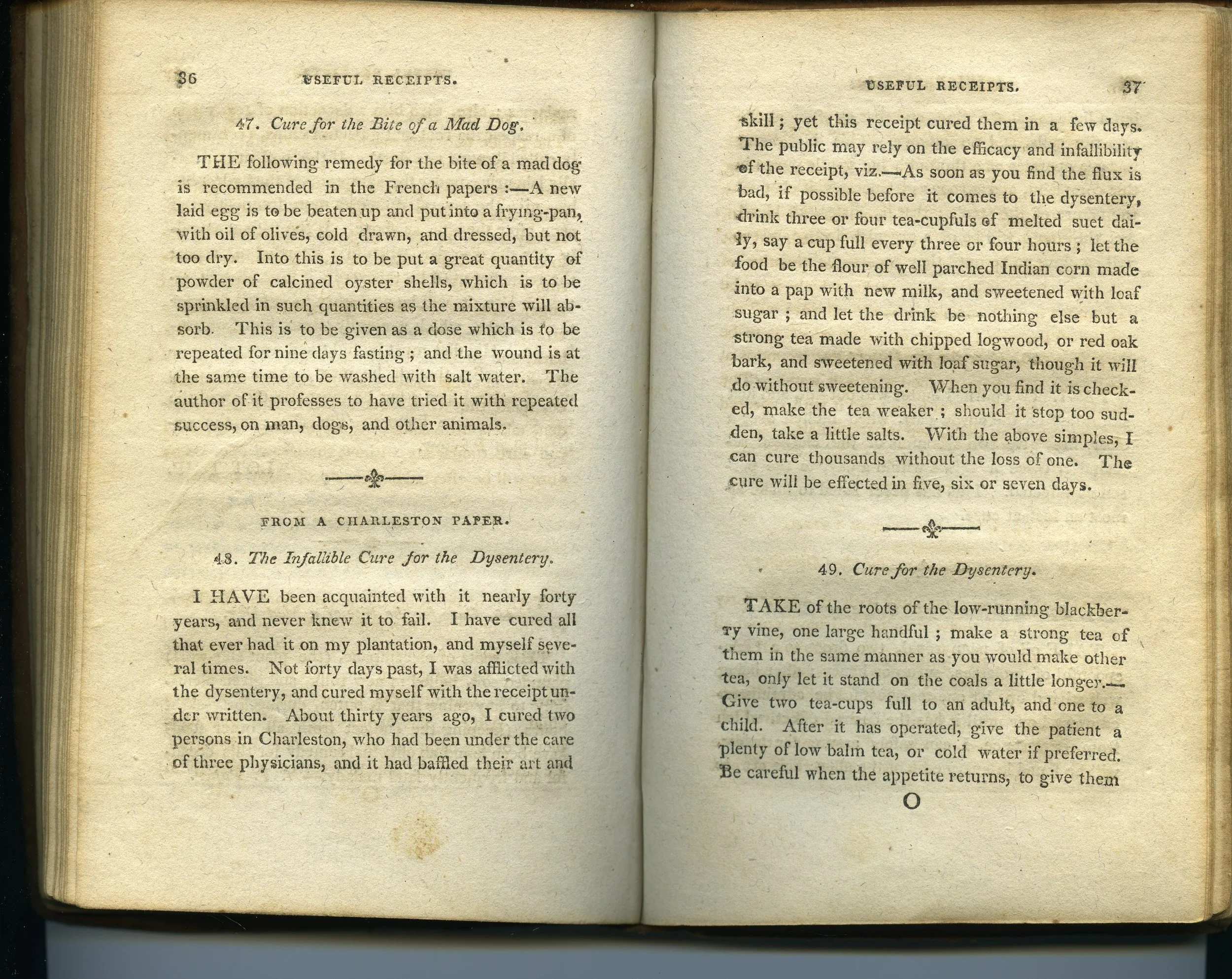
One of the main ingredients in this hydrophobia remedy from The Dyer’s Companion is “calcined oyster shells.” Calcined oyster shells are created by heating oyster shells to between 900-1050 degrees C, which converts the calcium carbonate into calcium oxide. Today, pulverized calcined oyster shells are known not only to be a good source of calcium, but also an antibacterial, antifungal, and antiviral agent. When calcined oyster shells are mixed with water, they create a substance with strong alkalinity that can reduce the viability of pathogens. Calcined oyster shells are also used to absorb and bind with heavy metals and other toxins and pollutants.
Could it be that such a treatment somehow helped to prevent rabies when given as a medication? Unfortunately, generalized statements about the treatment’s “repeated success, on man, dogs, and other animals” is not be verified by statistics or even by compelling anecdotal evidence as individual cases of successes (and failures) are not cited.
It is important to emphasize that the medical receipts included in this volume are shared solely for historical insight. They are not safe or appropriate treatments by modern standards. While Elijah Bemiss — a dyer — was clearly knowledgeable about dyes and contributed meaningfully to our understanding of natural dyeing techniques, he was not a physician, and his medical prescriptions should not be attempted today.
Although many of the treatments outlined in the book appear dubious when measured against modern medical science, they reflect generations of observation, trial, and accumulated folk knowledge. Some traditional herbal remedies, refined and tested through clinical research, have indeed proven effective. Others served, at the very least, to offer hope in an era when scientific medicine was still in its infancy.
In that sense, The Dyer’s Companion stands not only as a manual of dyes and domestic preparations, but also as a testament to the ingenuity of those who sought solutions with the tools and knowledge available to them.
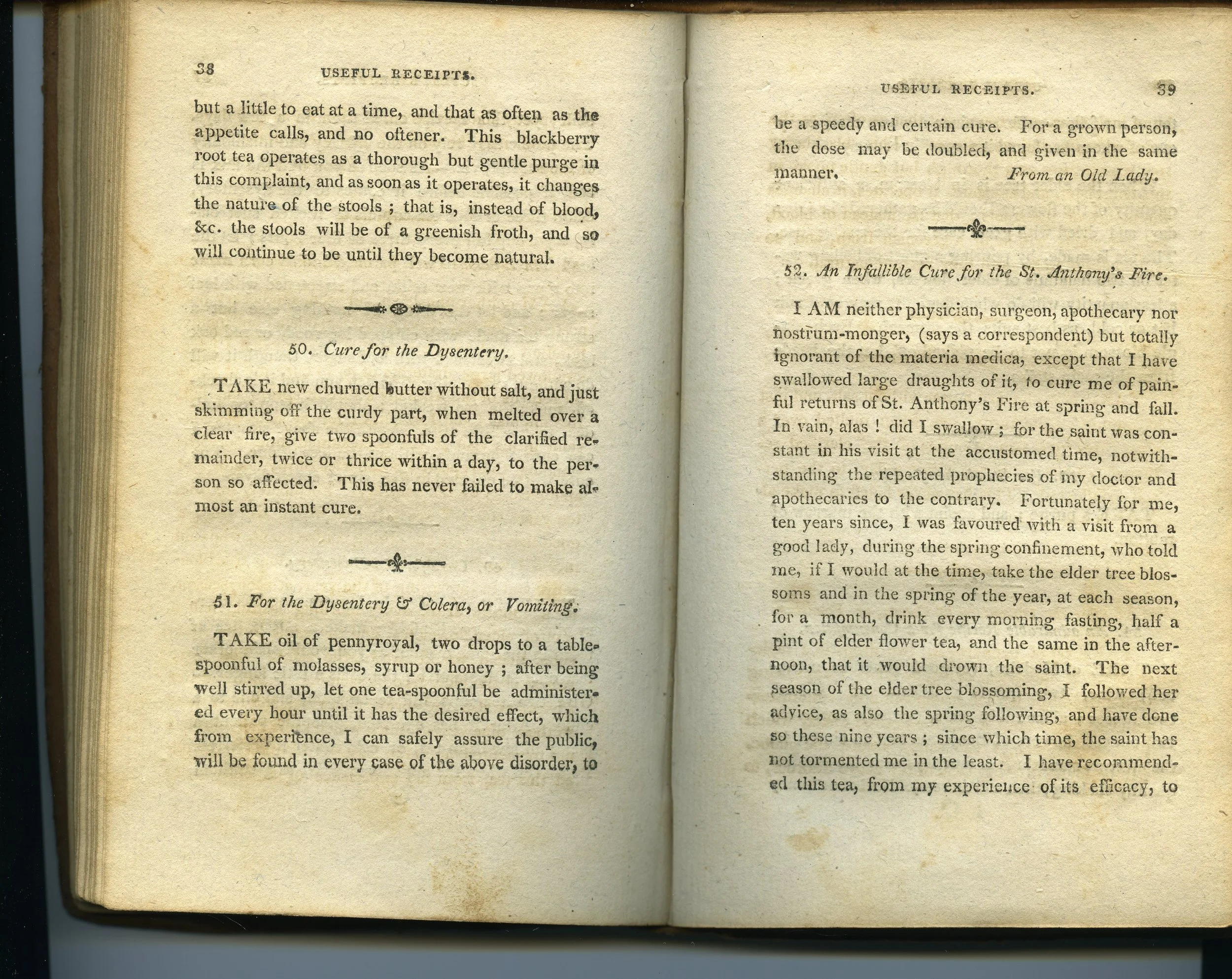
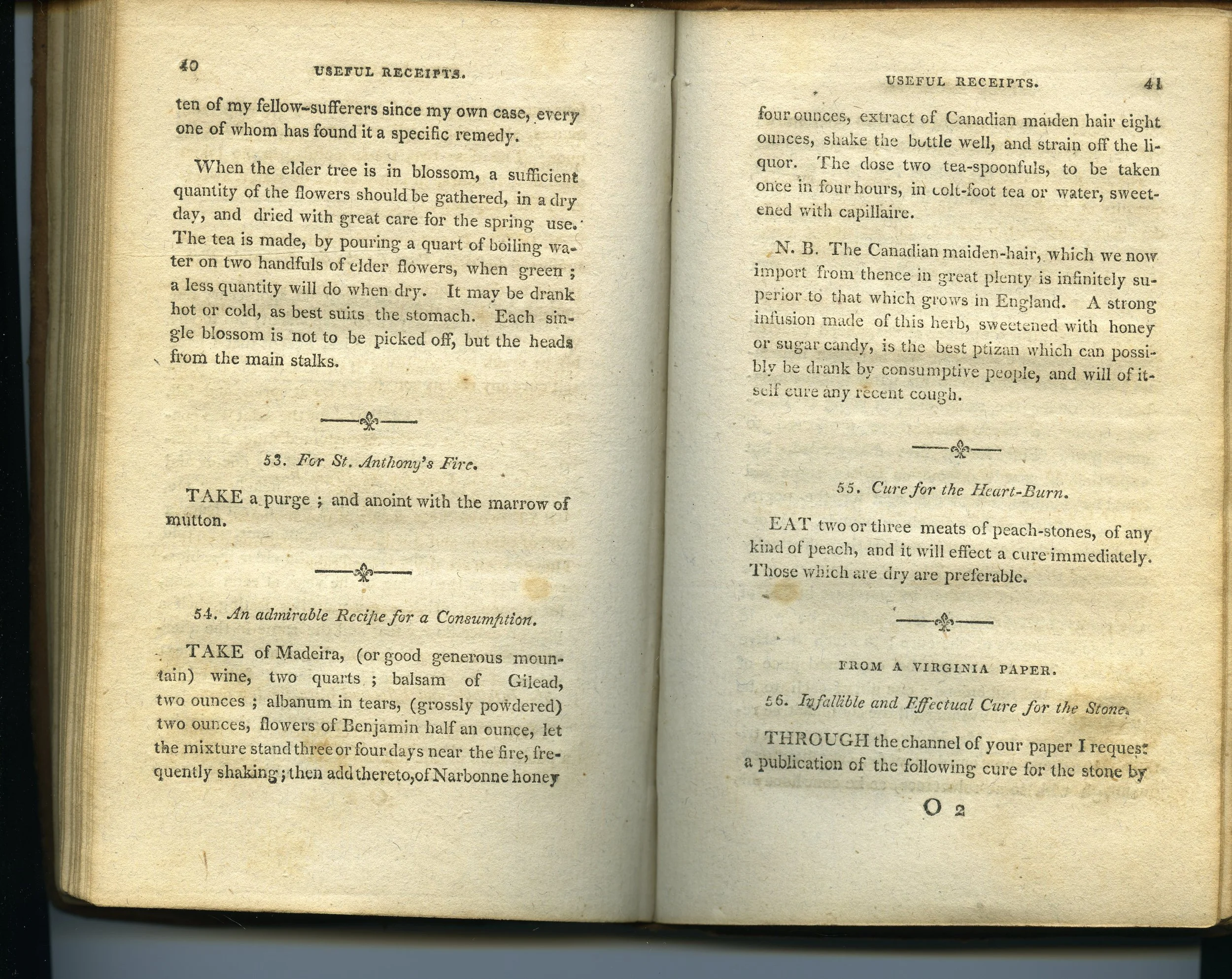
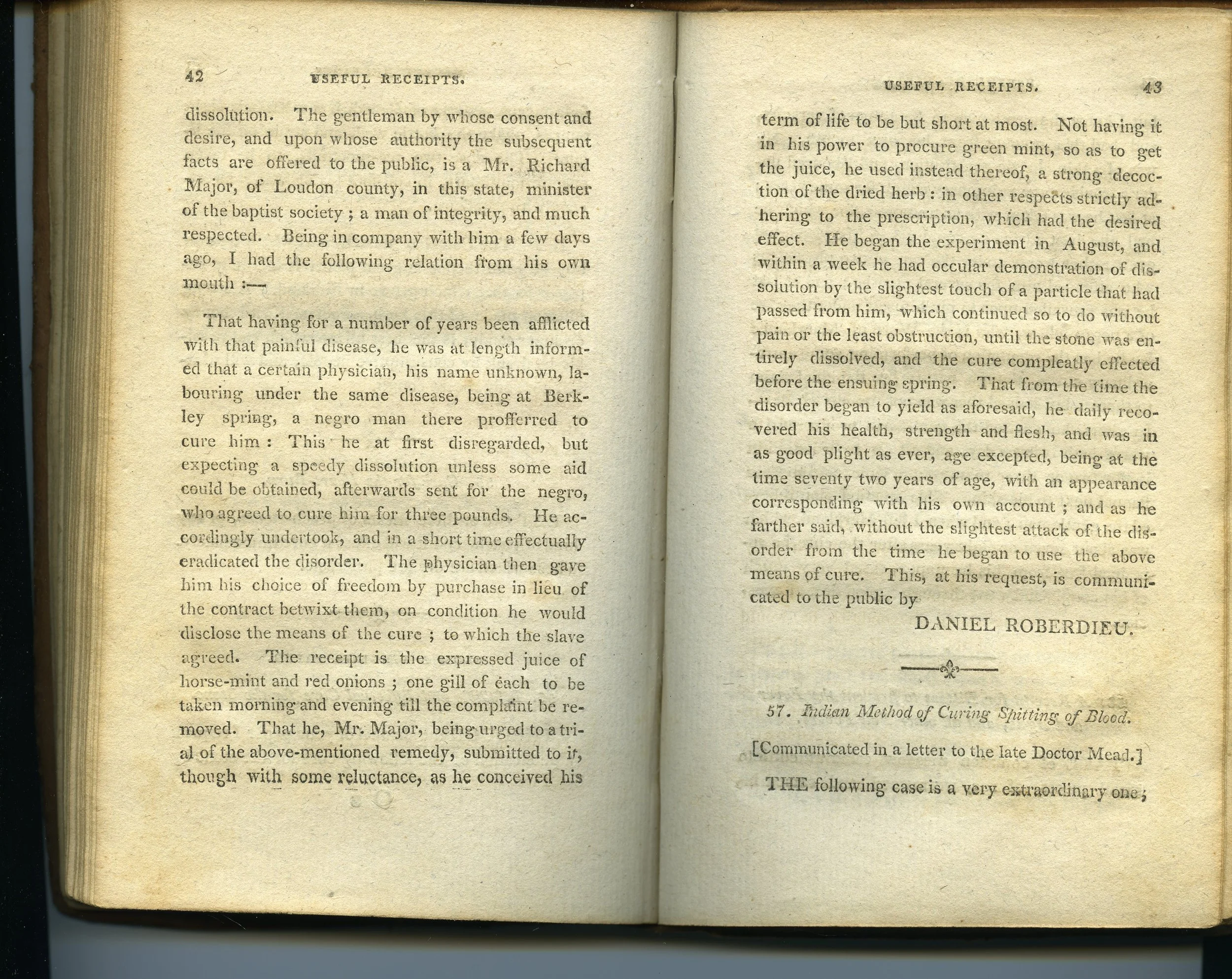
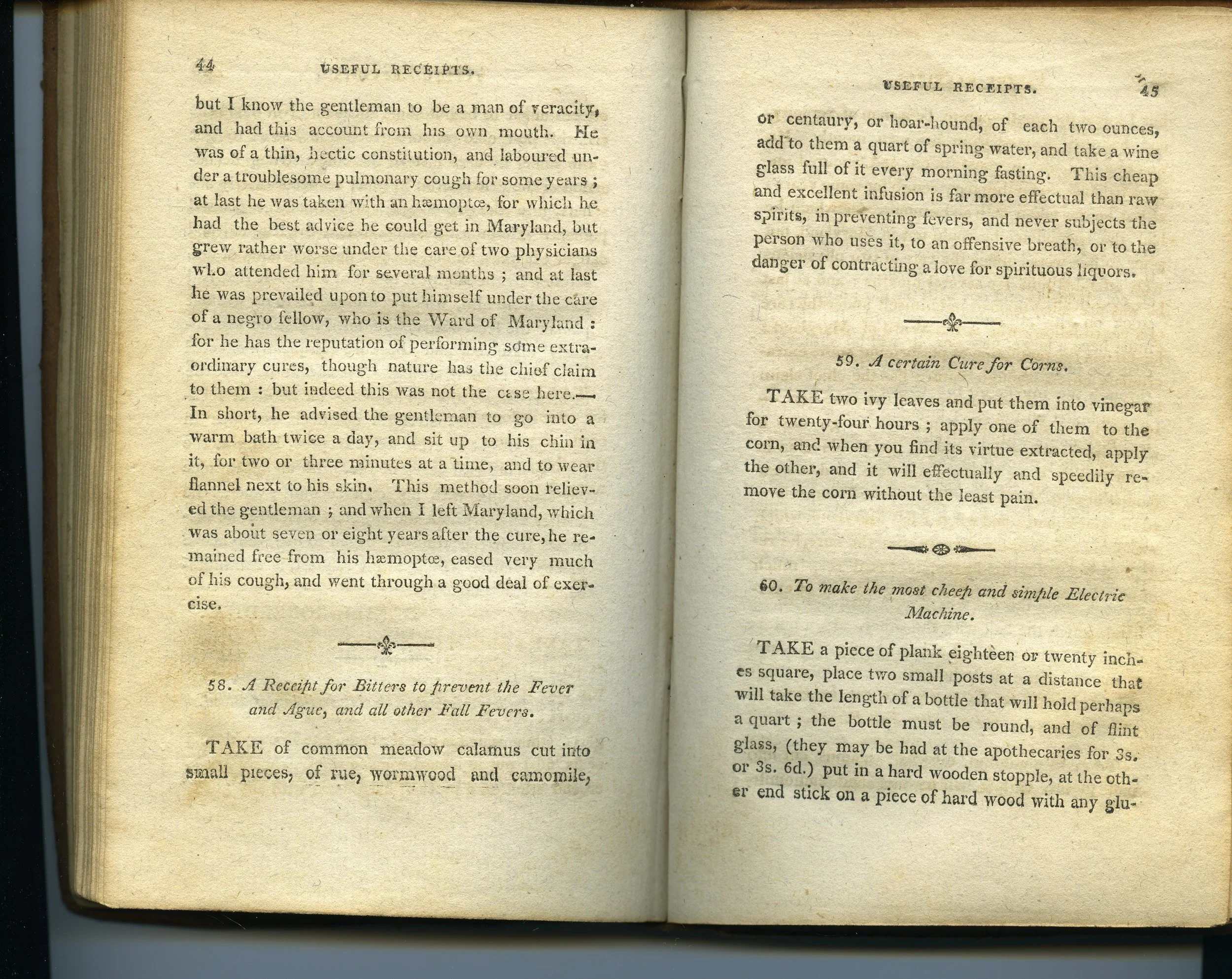
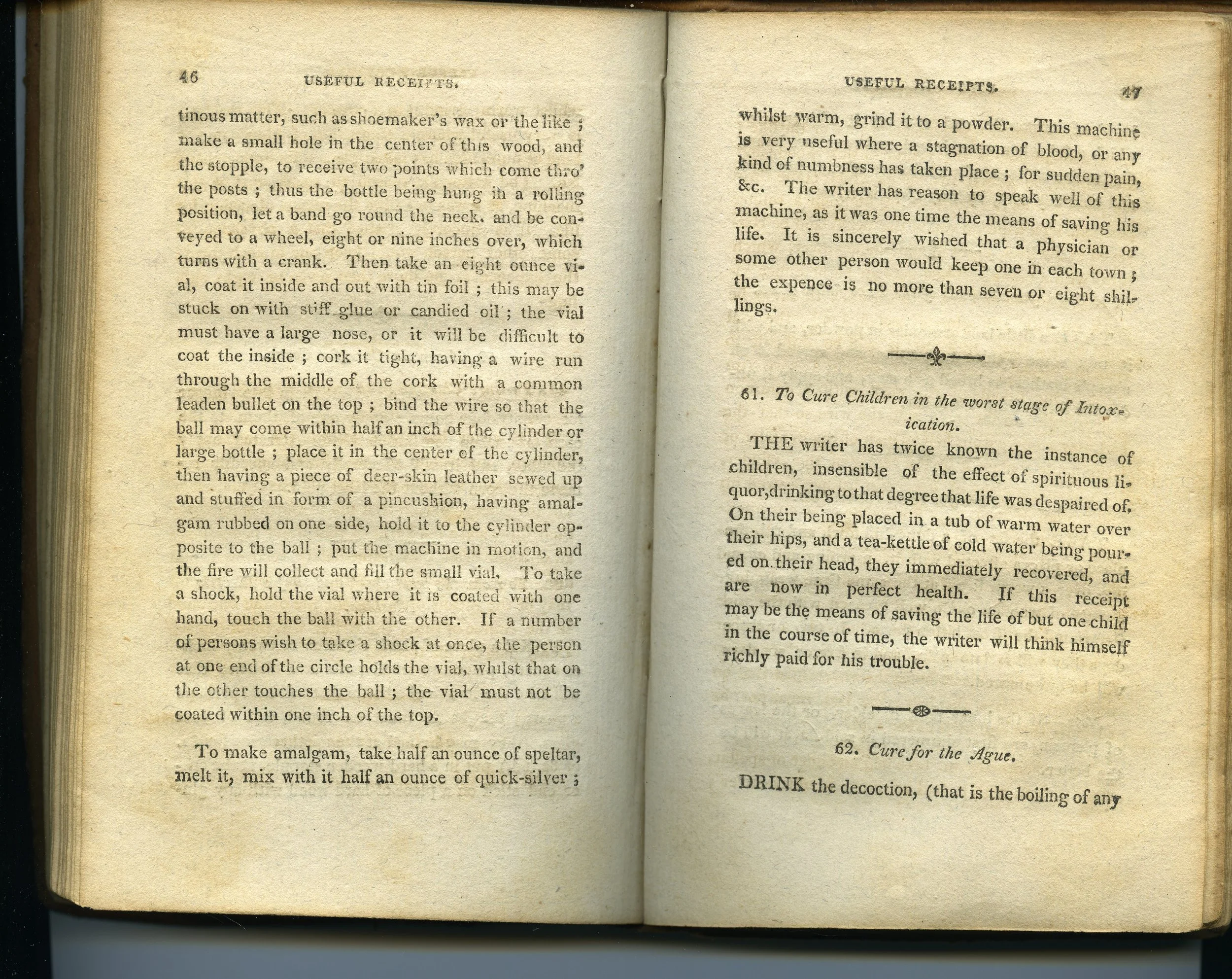
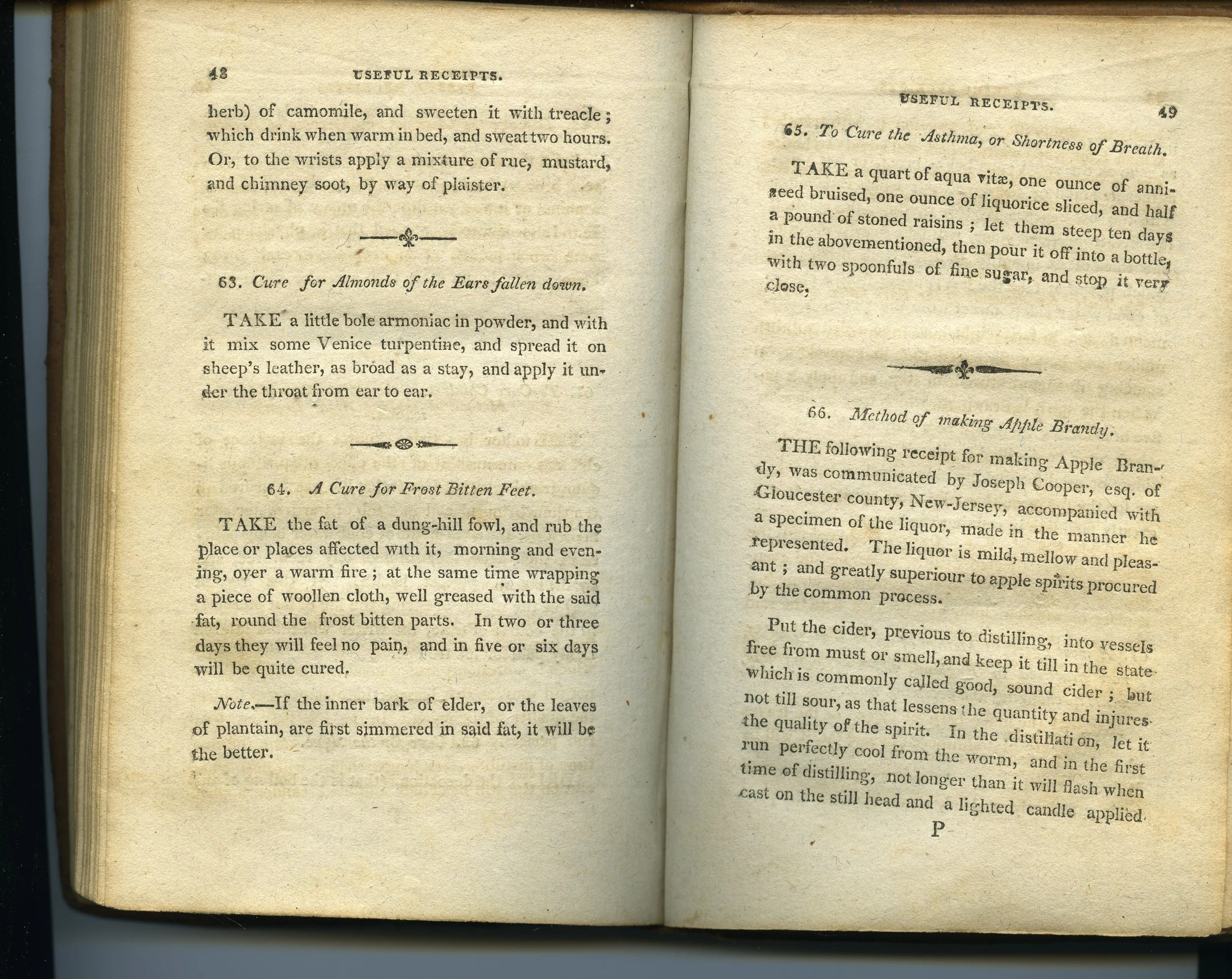
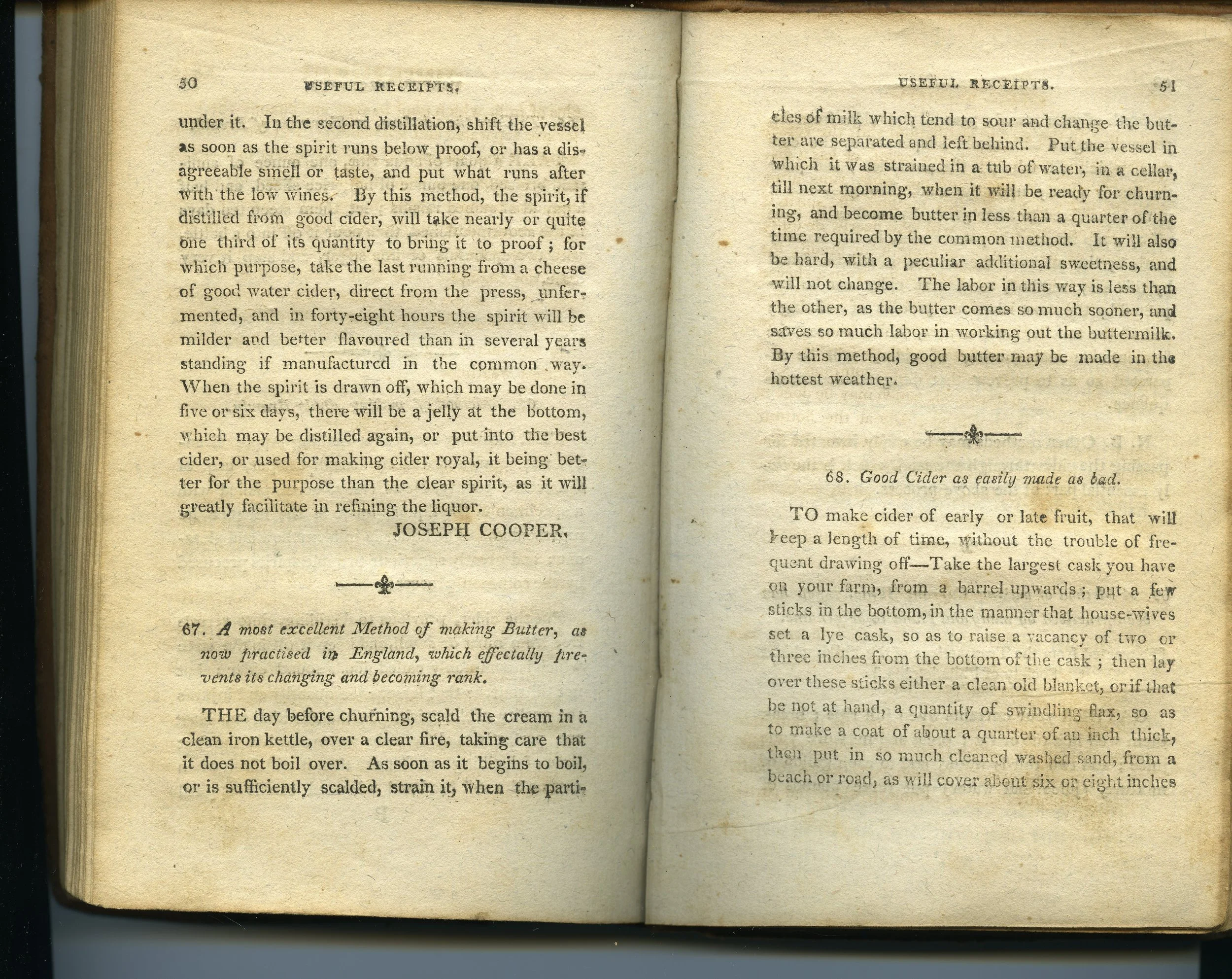
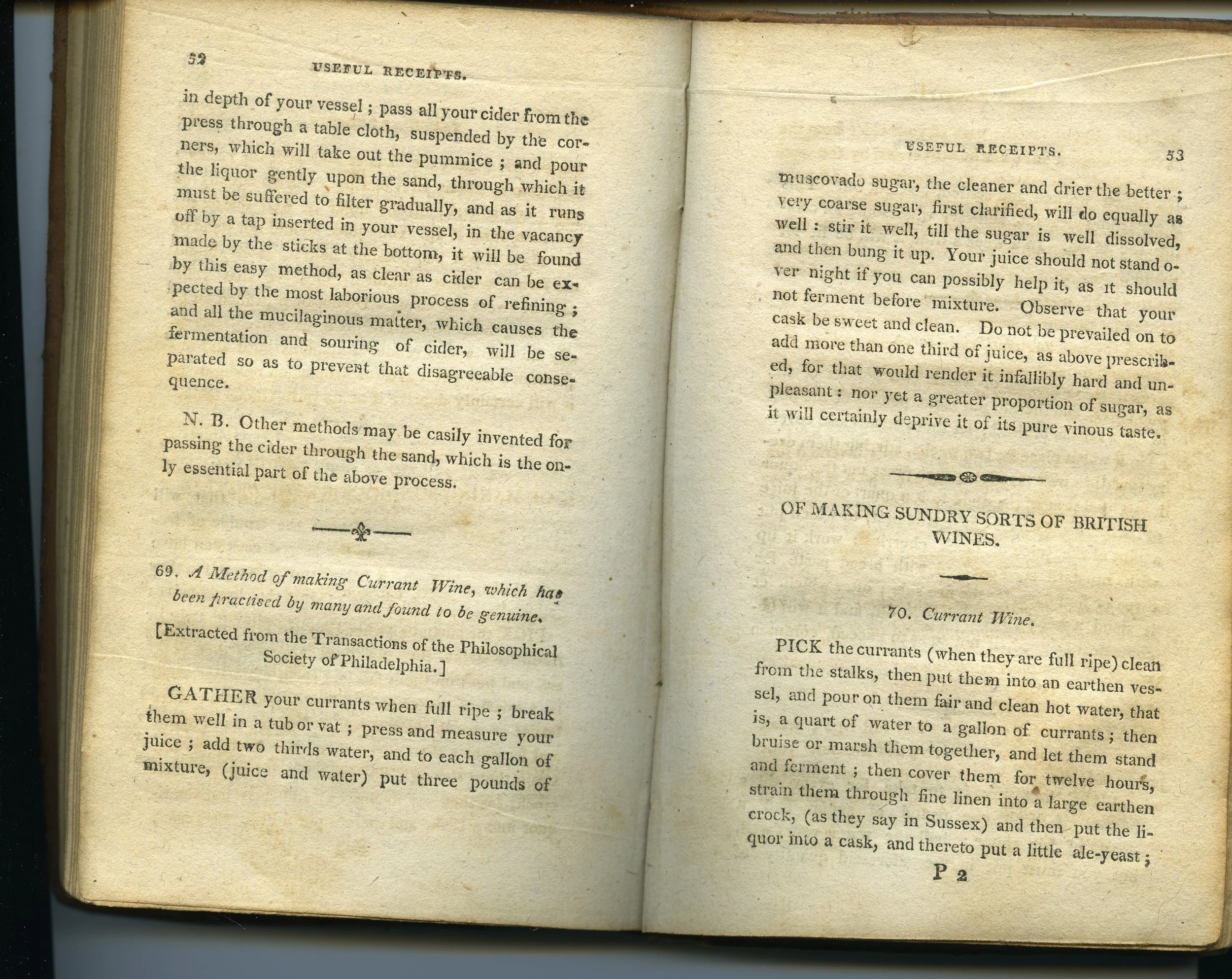
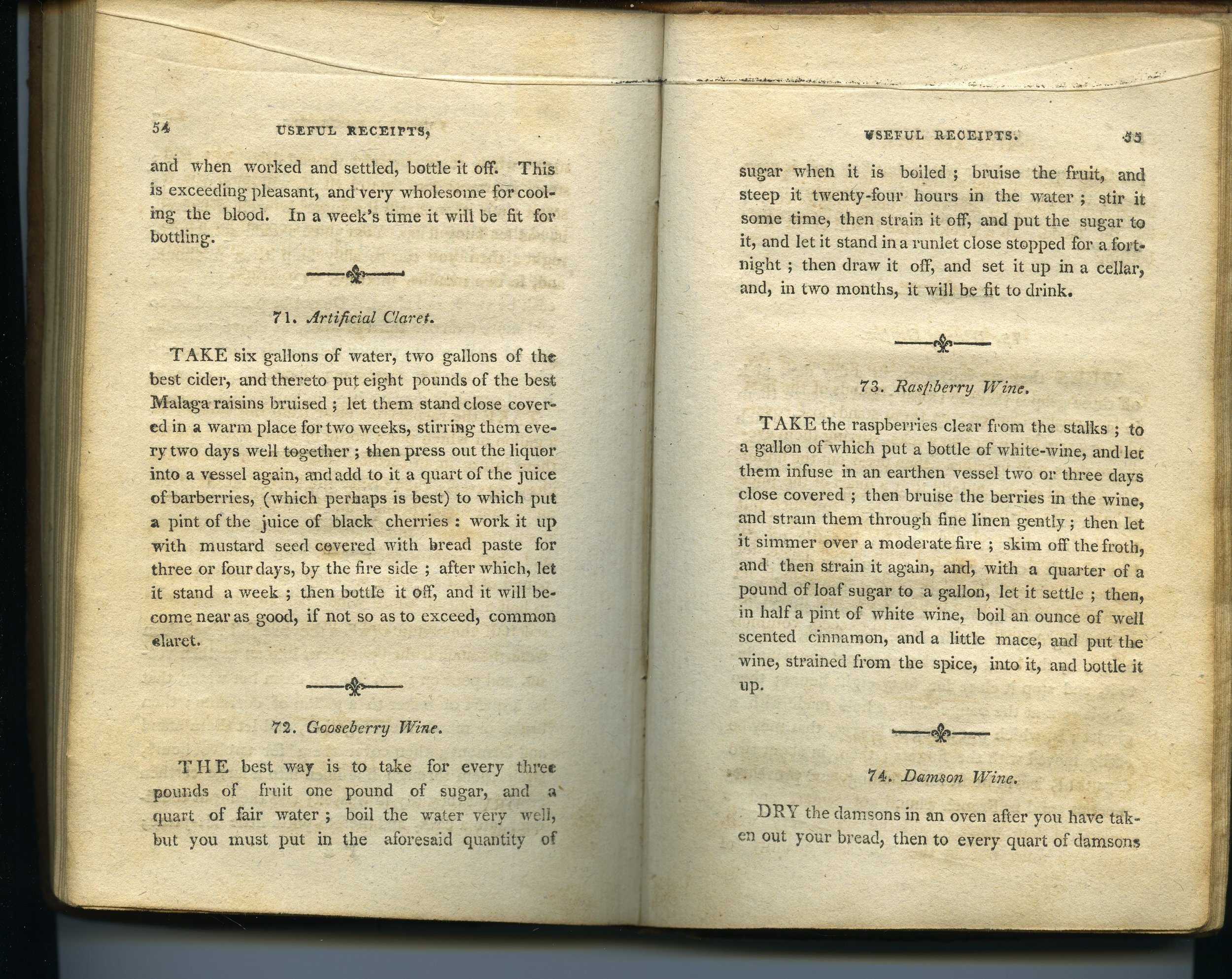
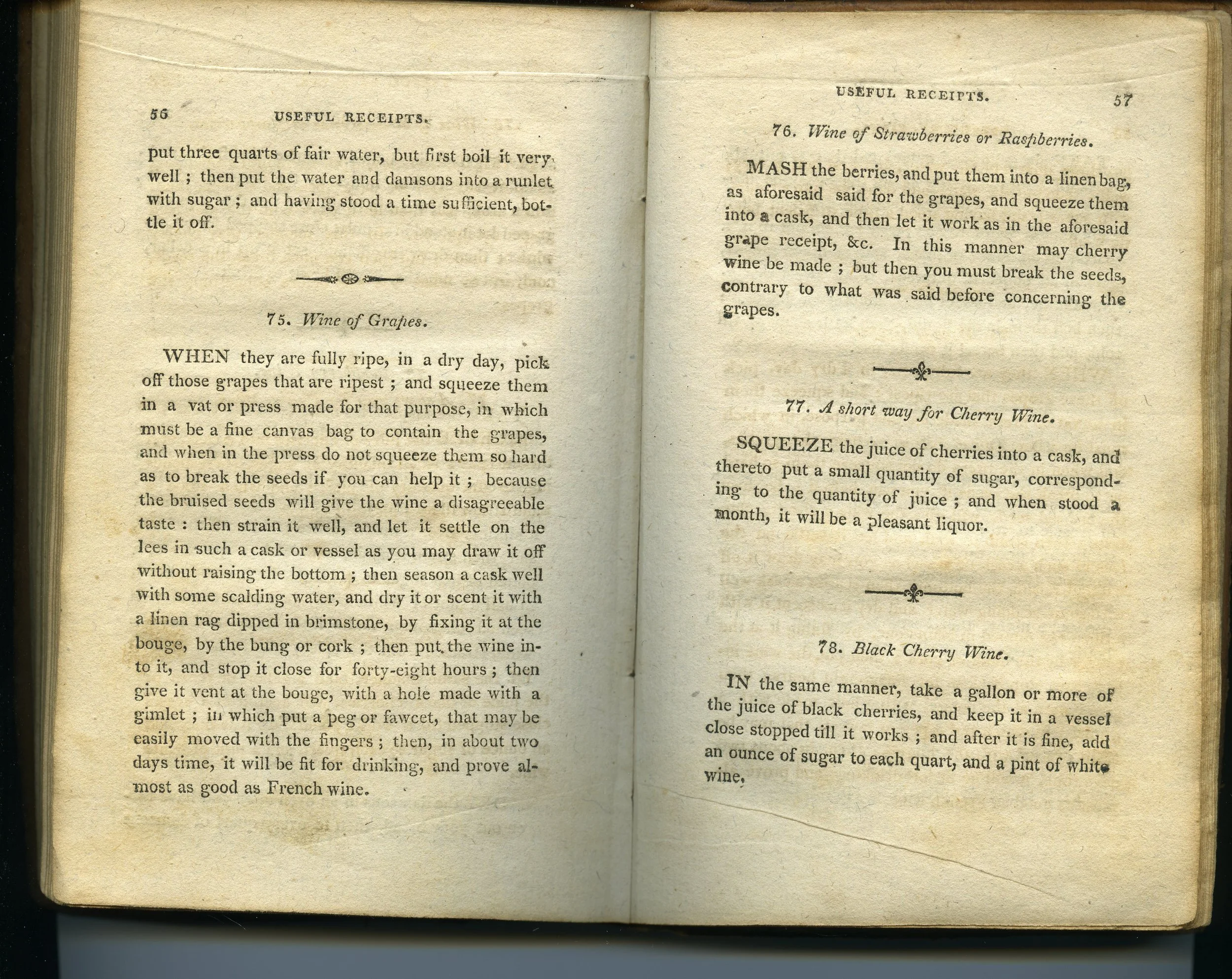
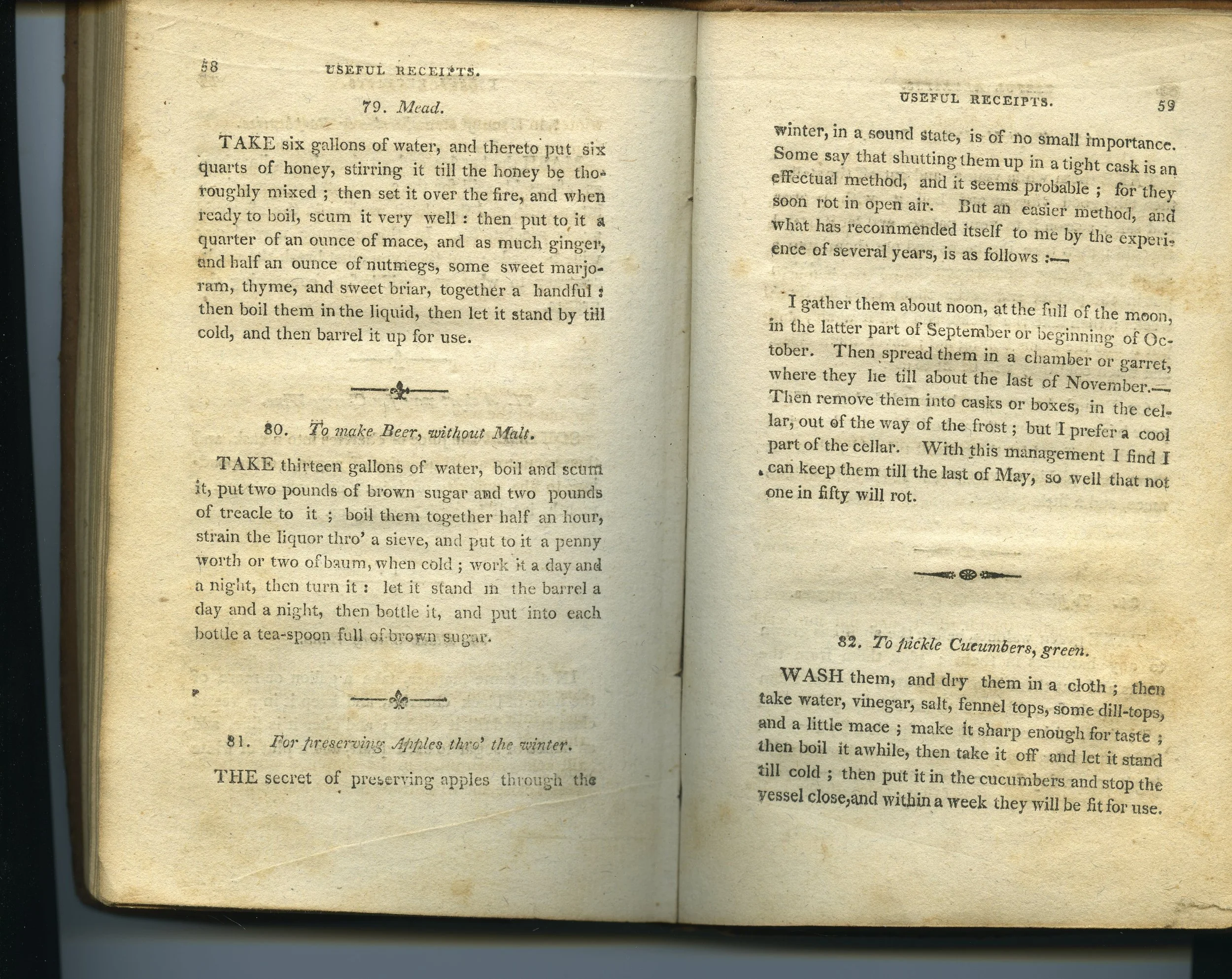
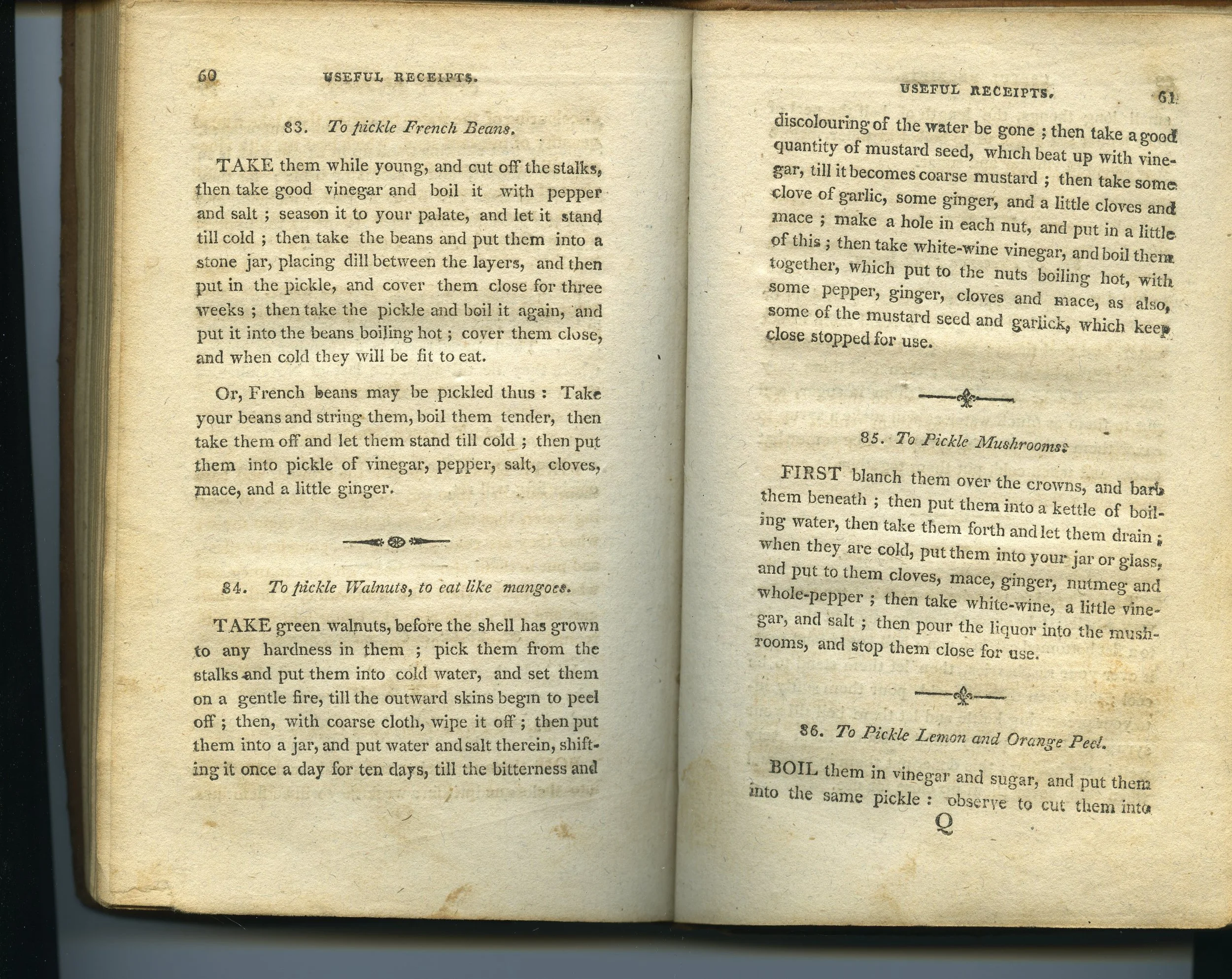
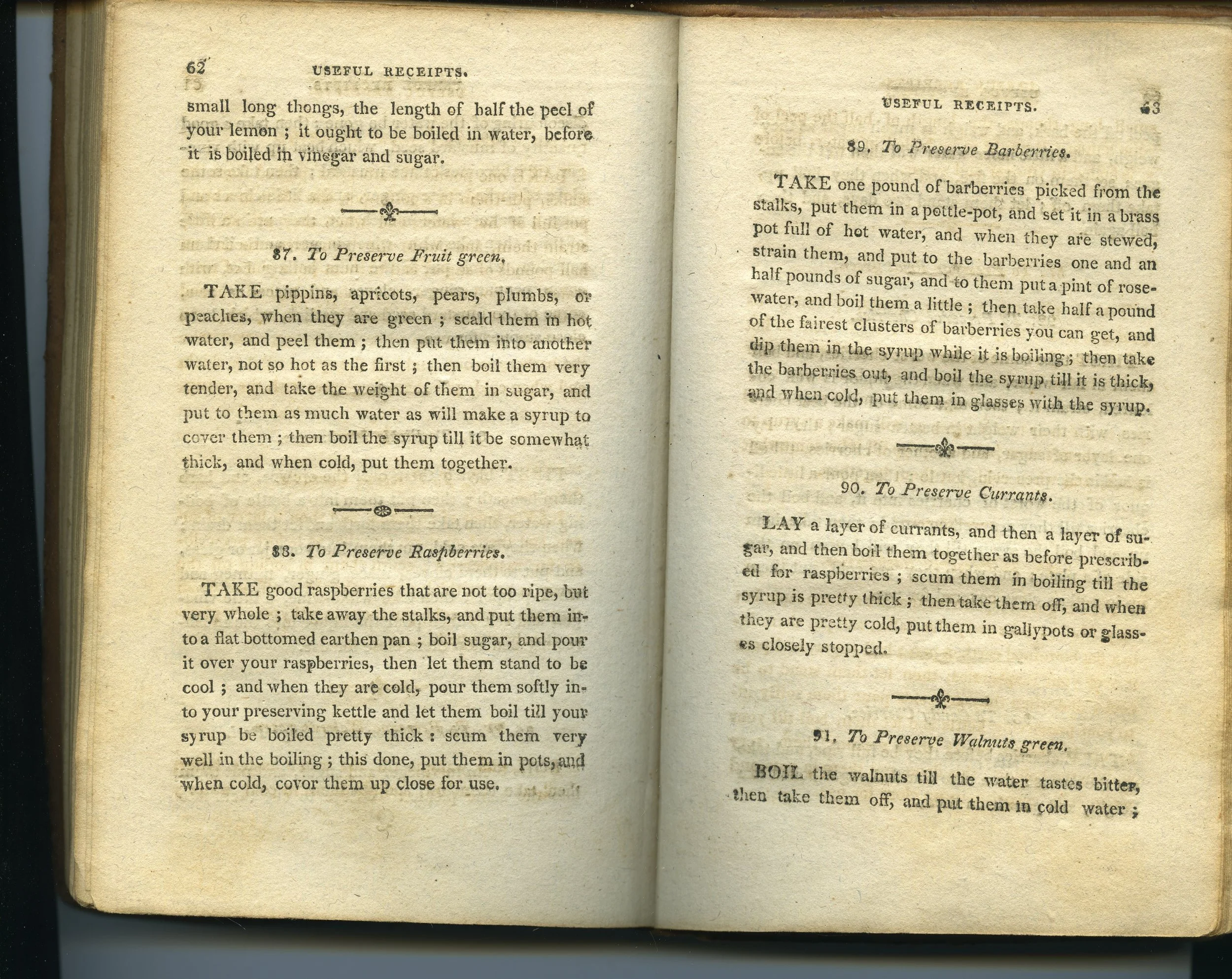
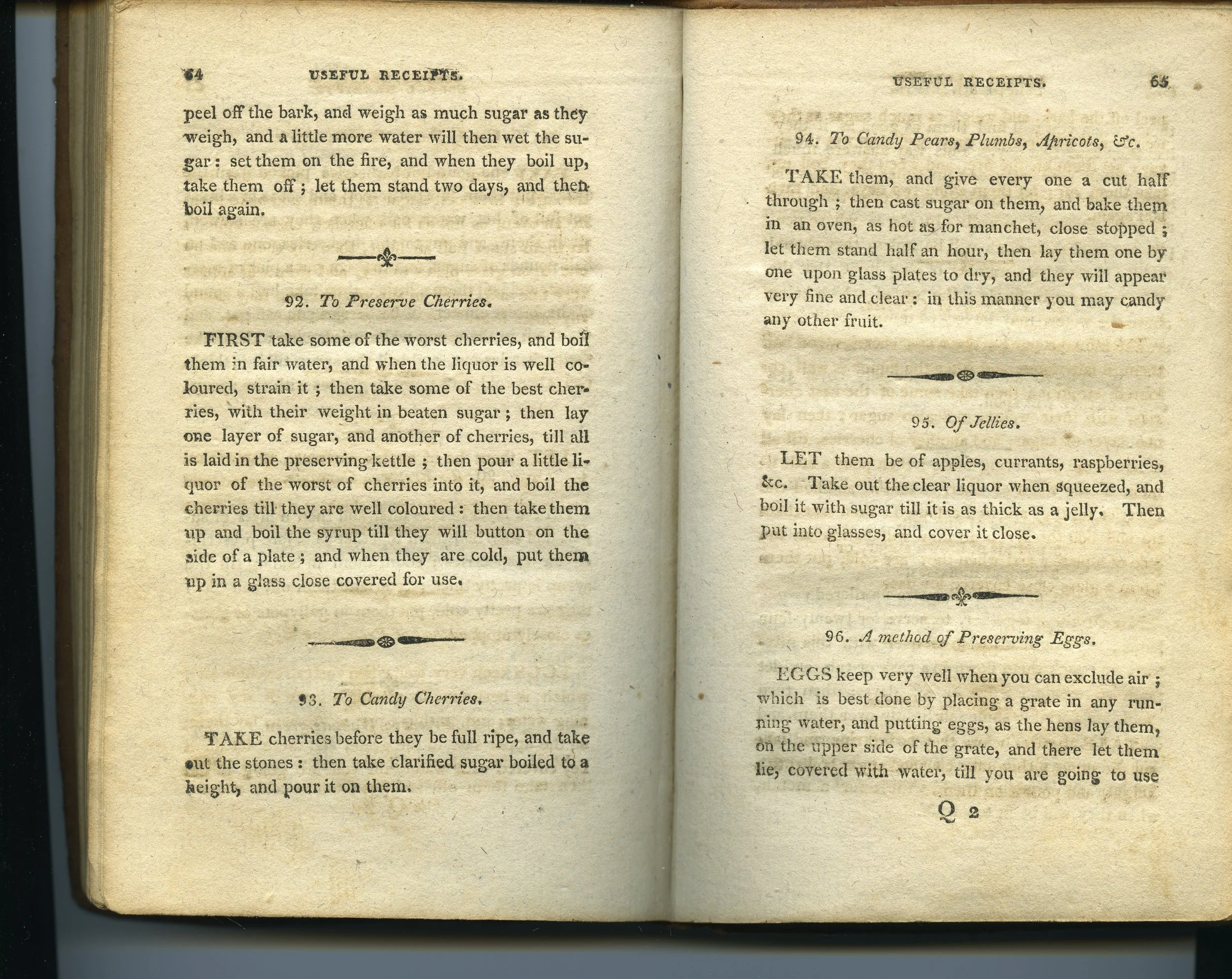
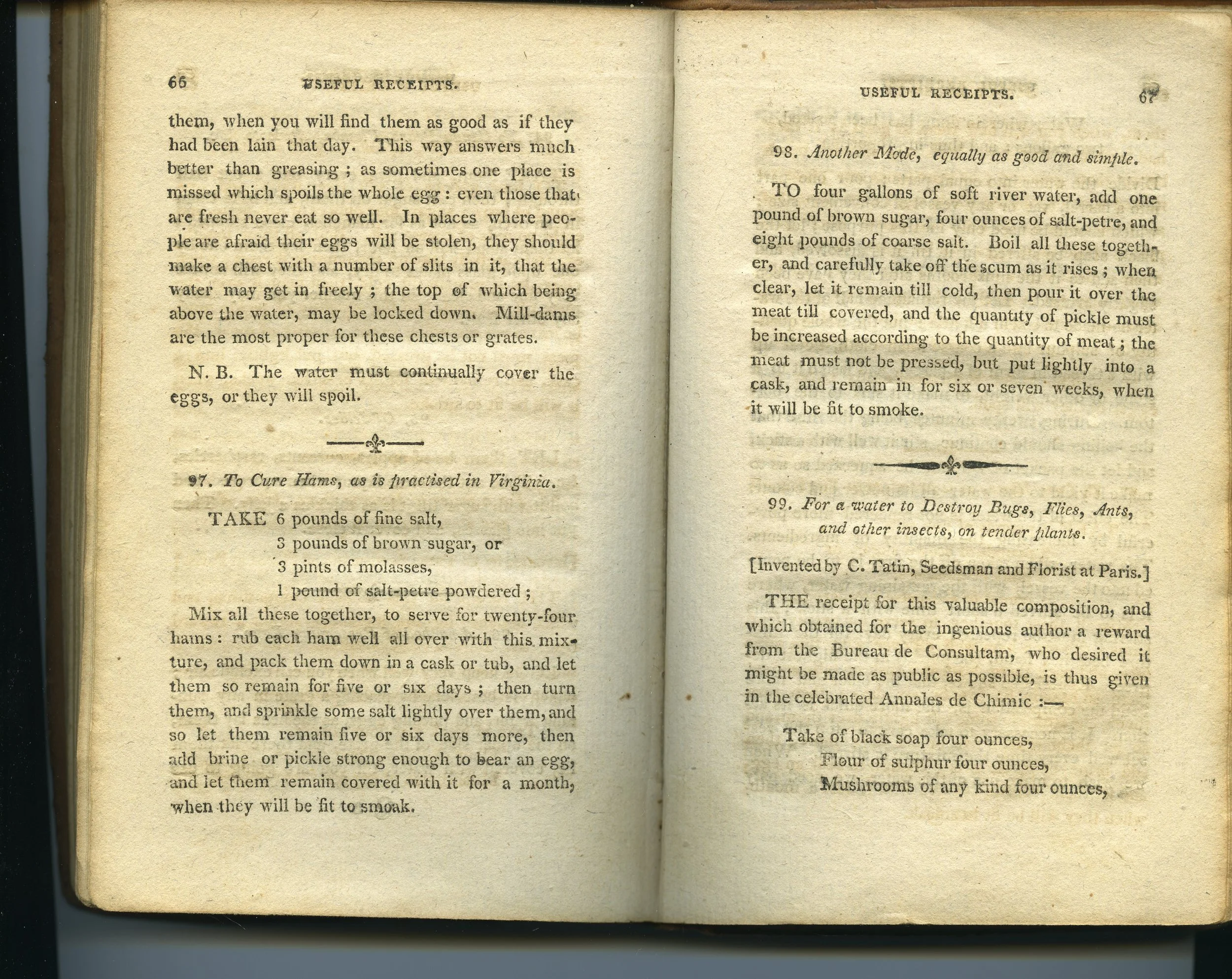
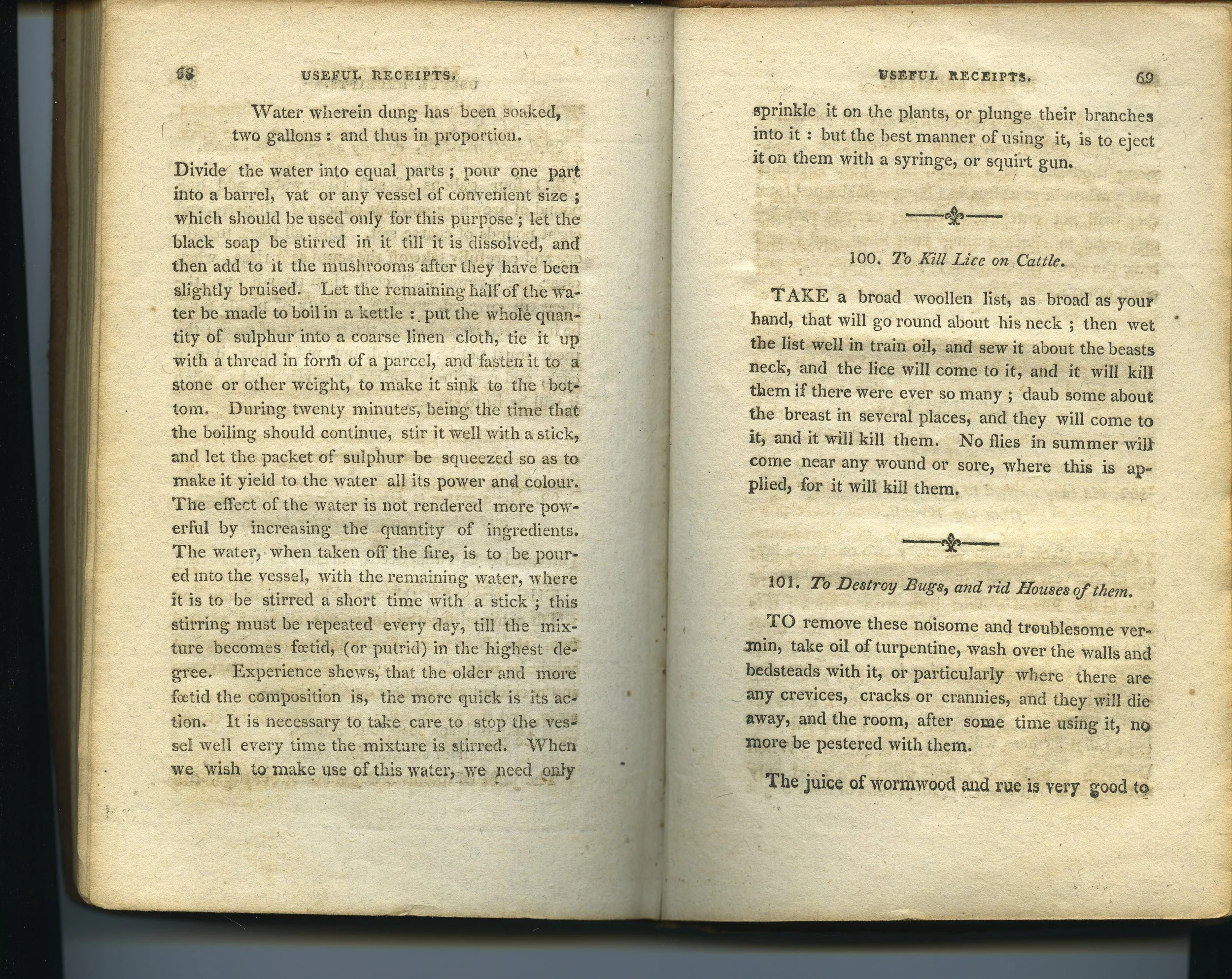
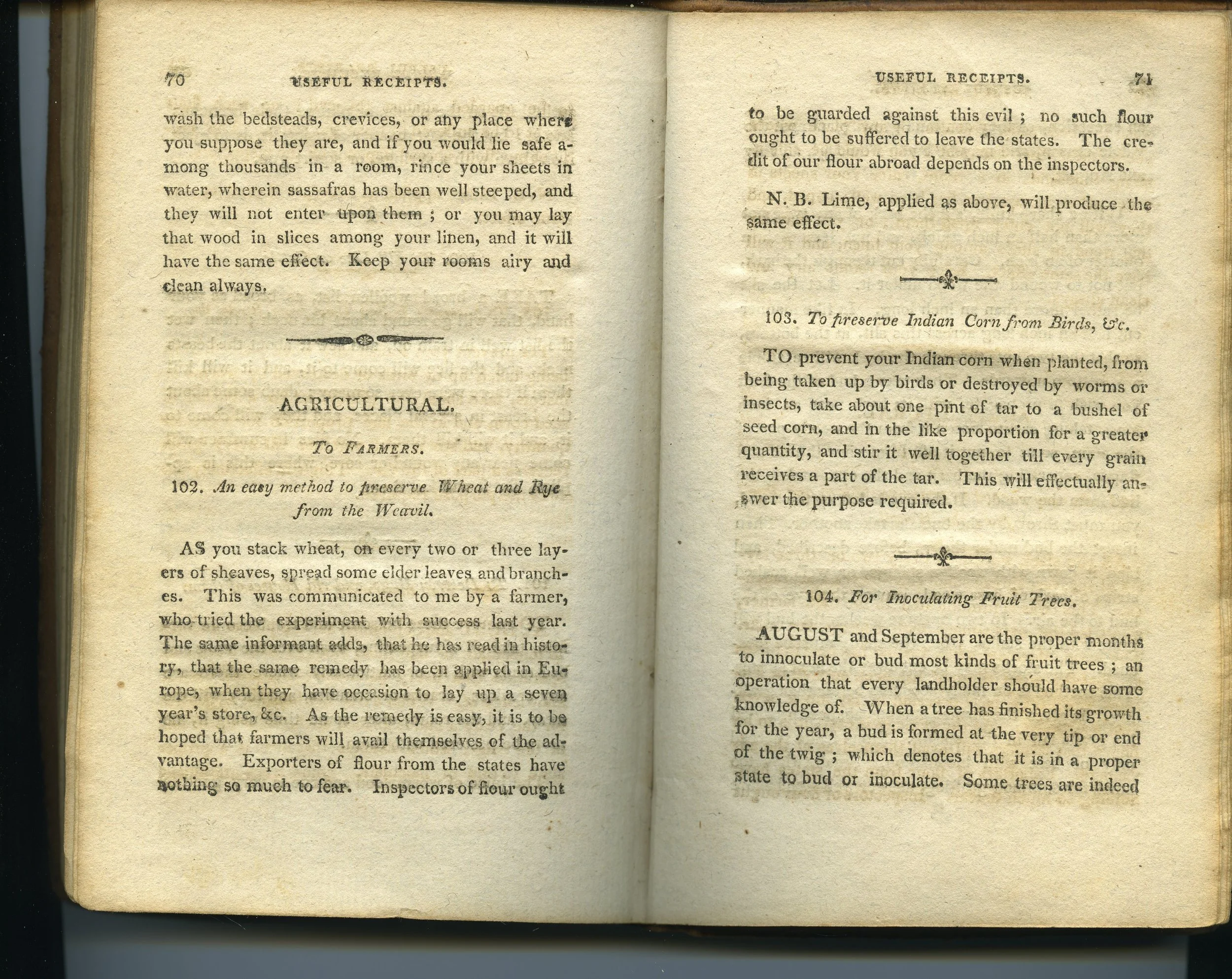
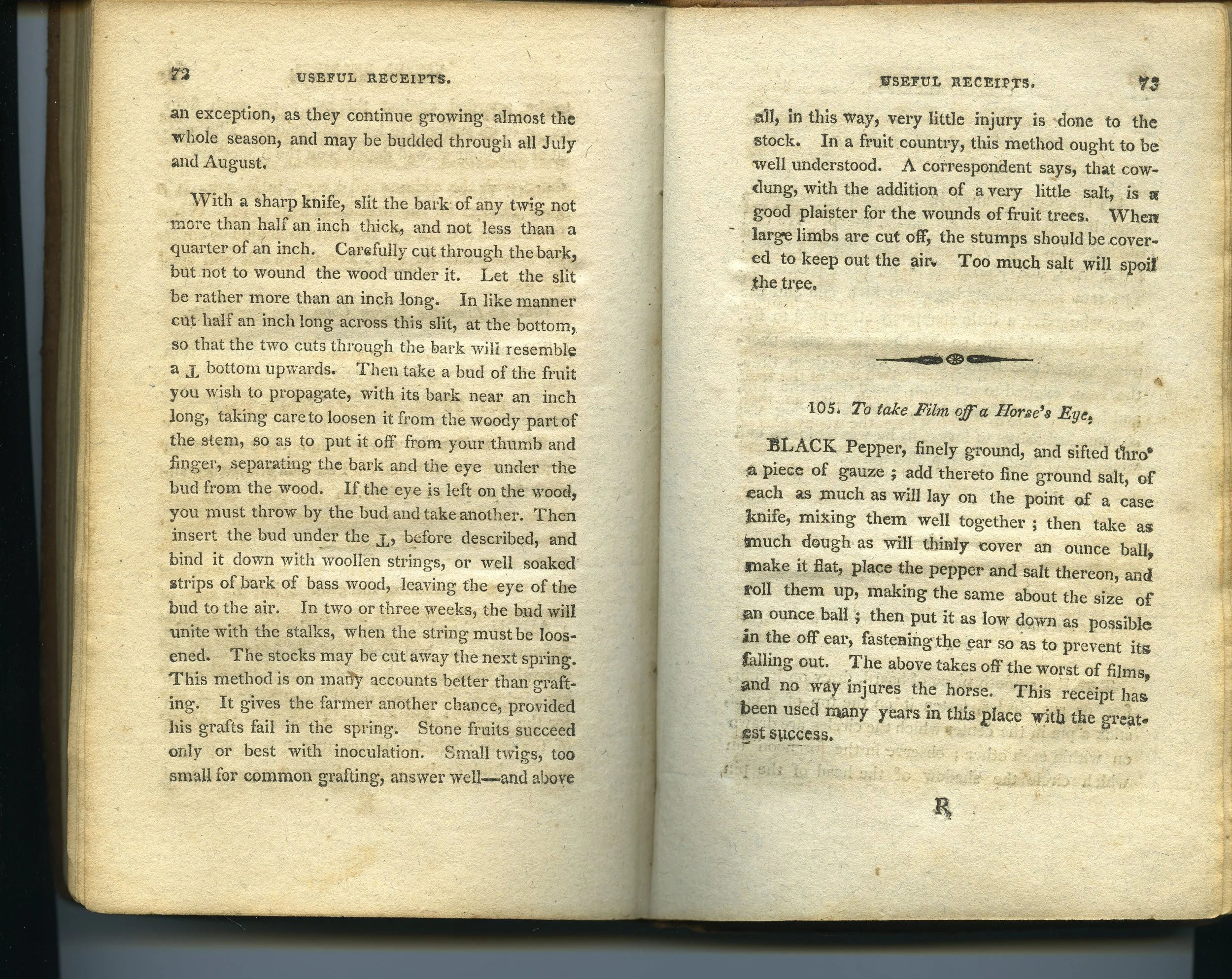
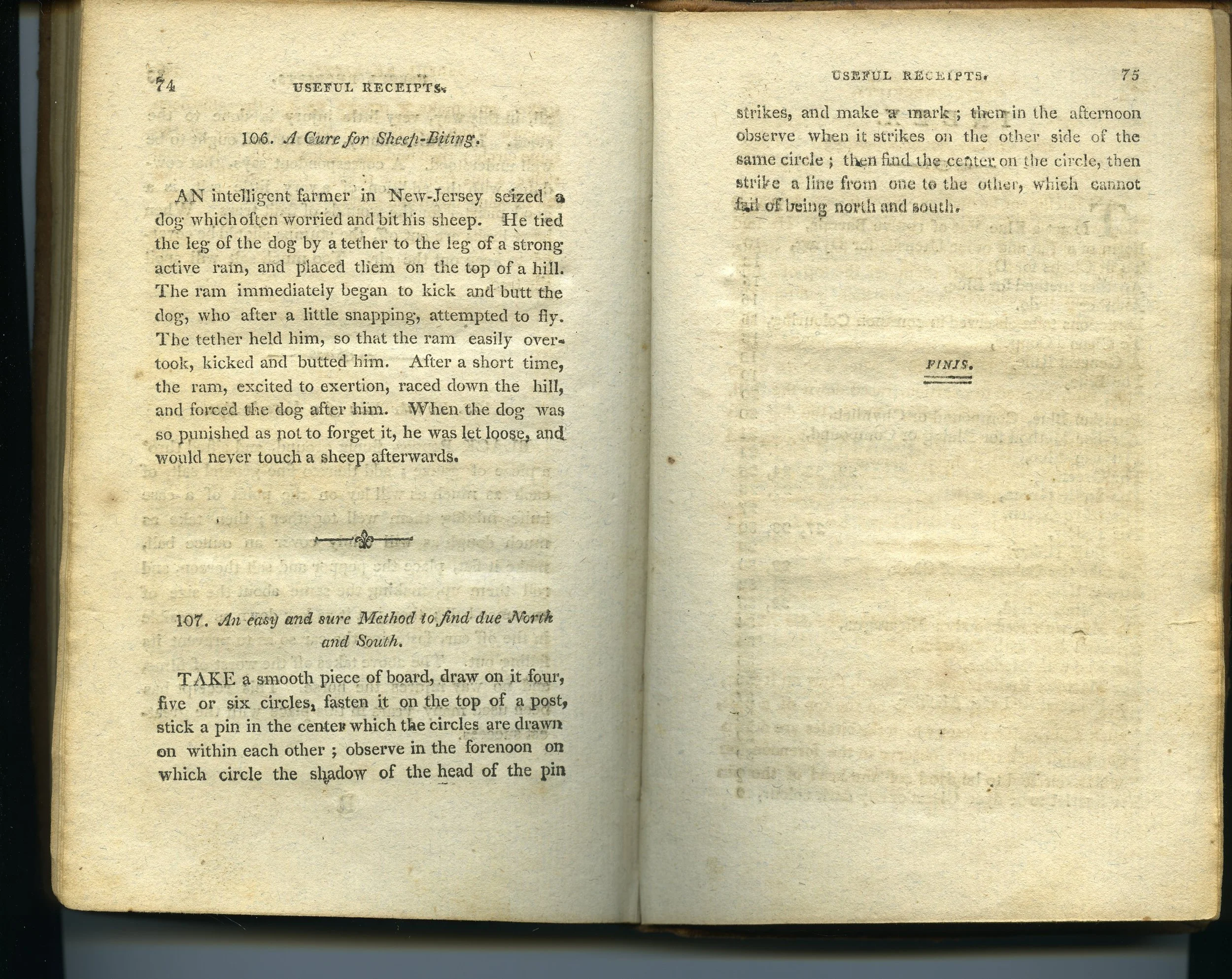
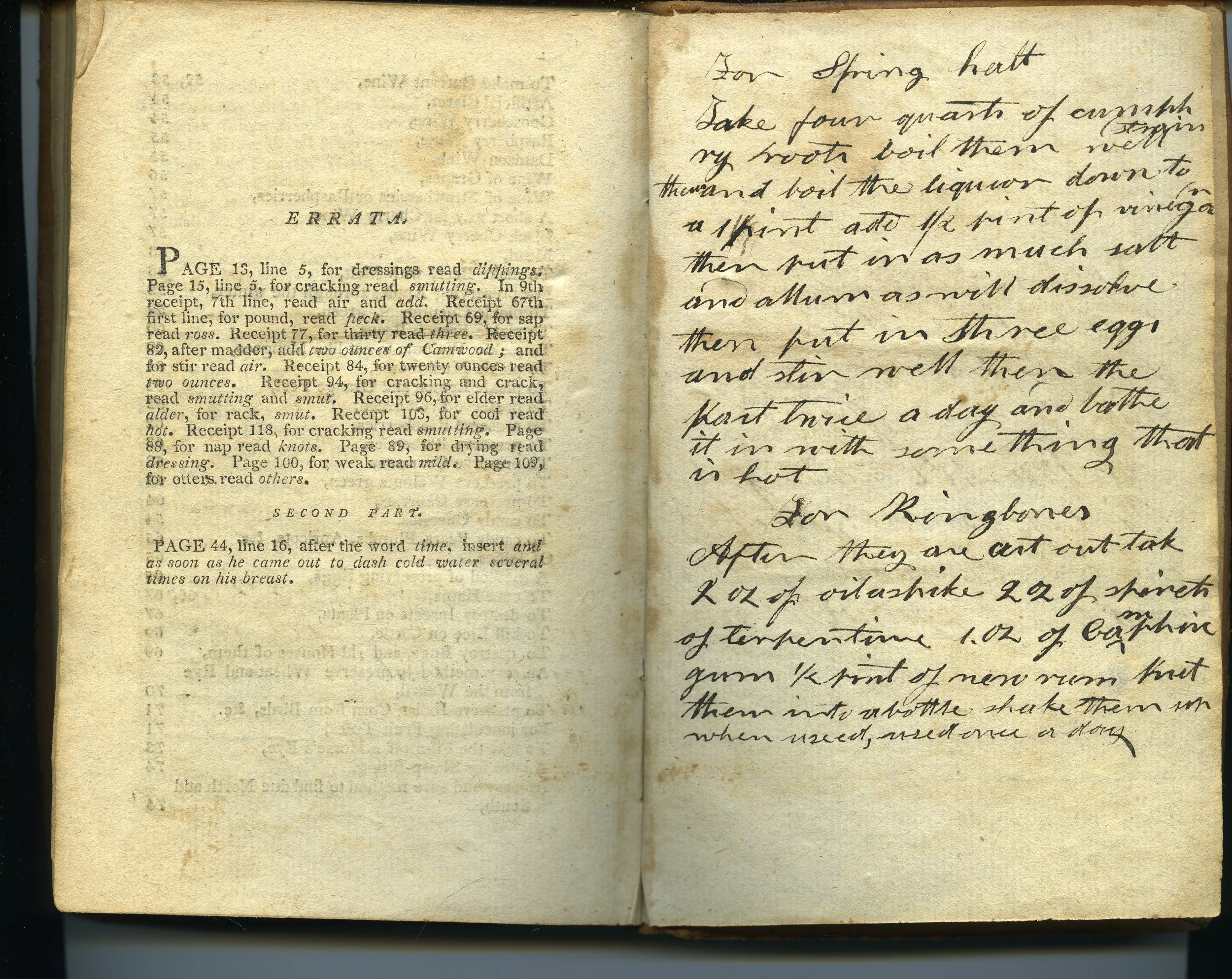
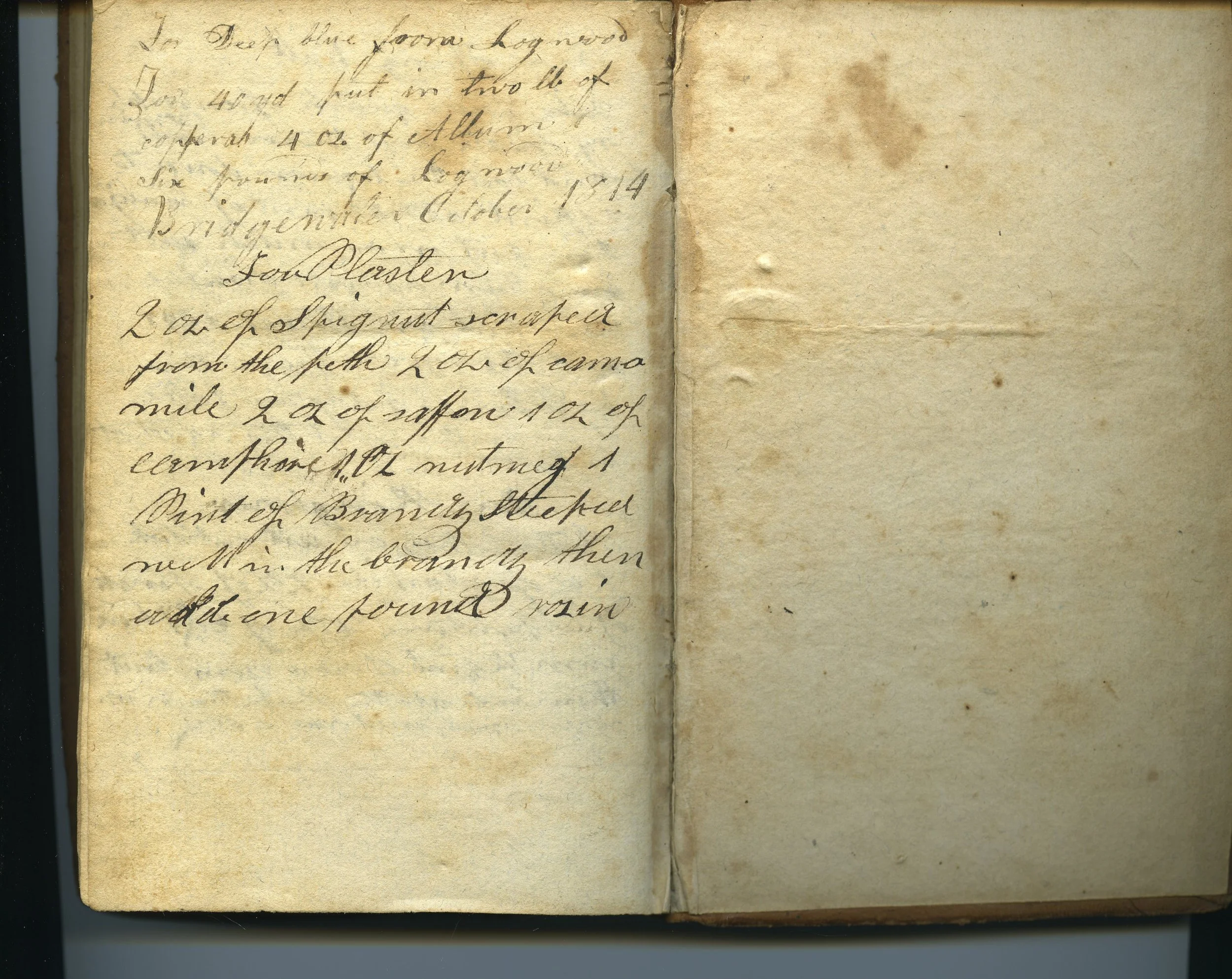
If you are interested in looking at more of the receipts in Part 2 of The Dyer’s Companion, click on the arrows in the image below.