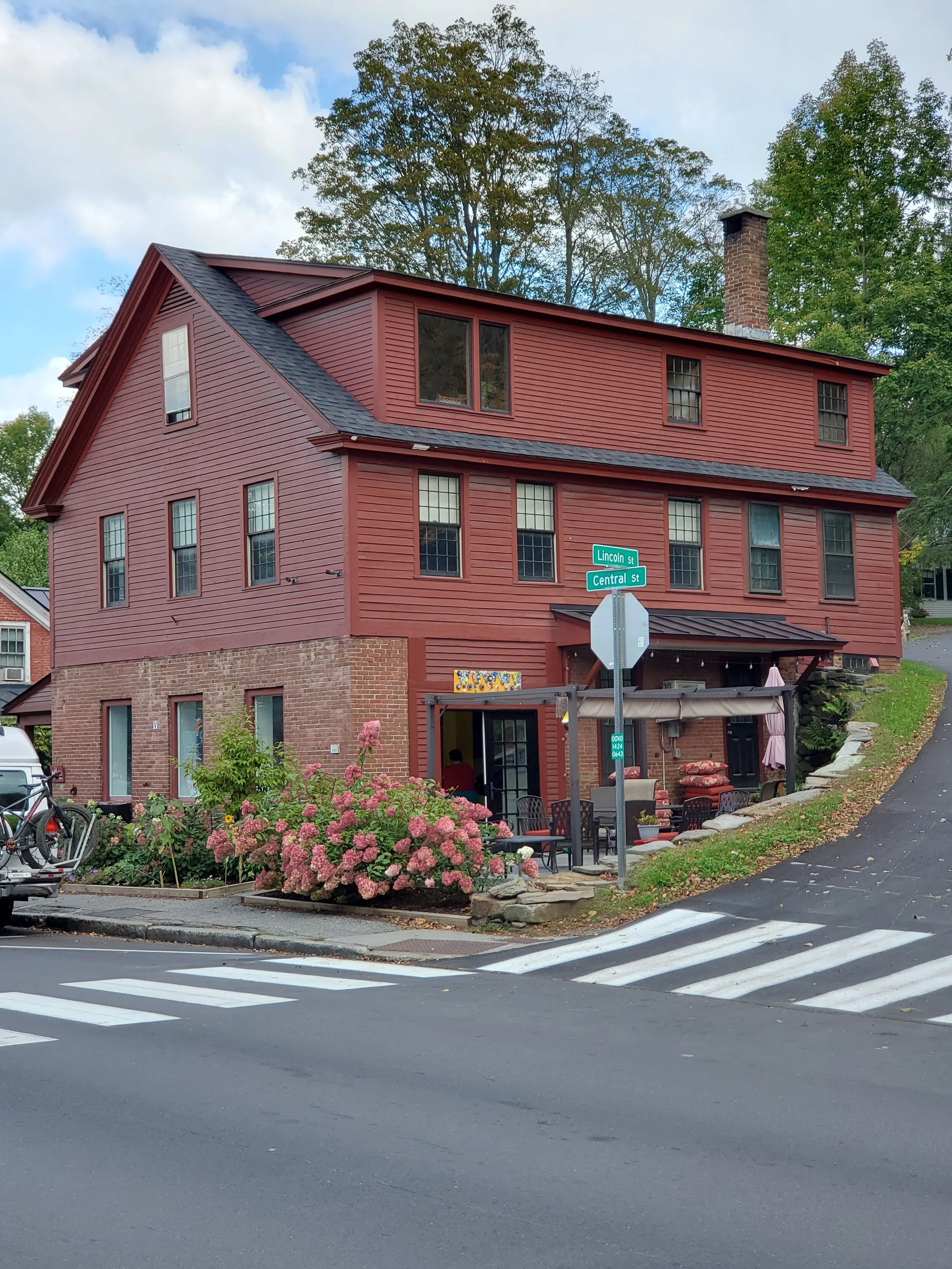
A Tale of a Building: 73 Central Street
The Blacksmith Years and beyond…
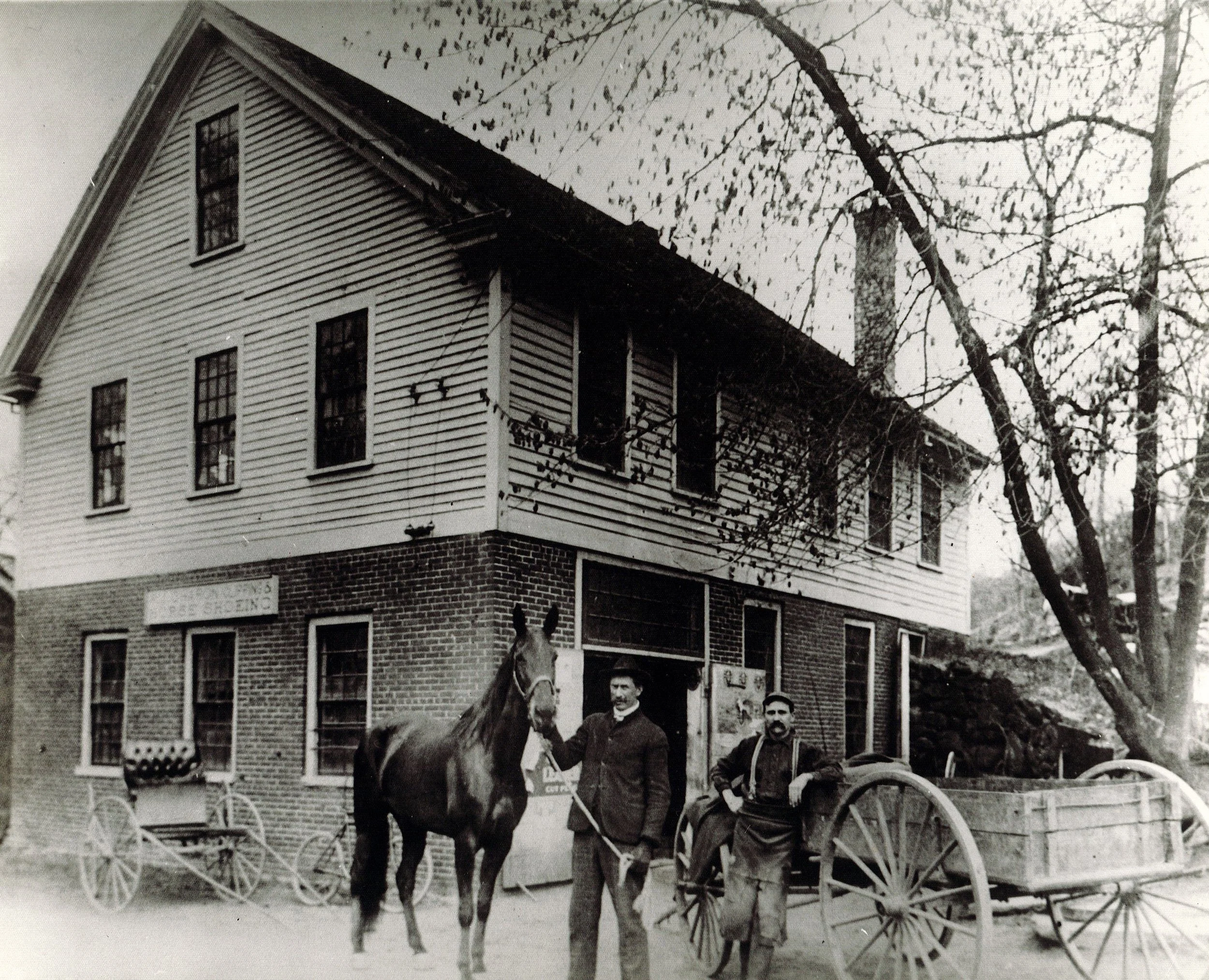
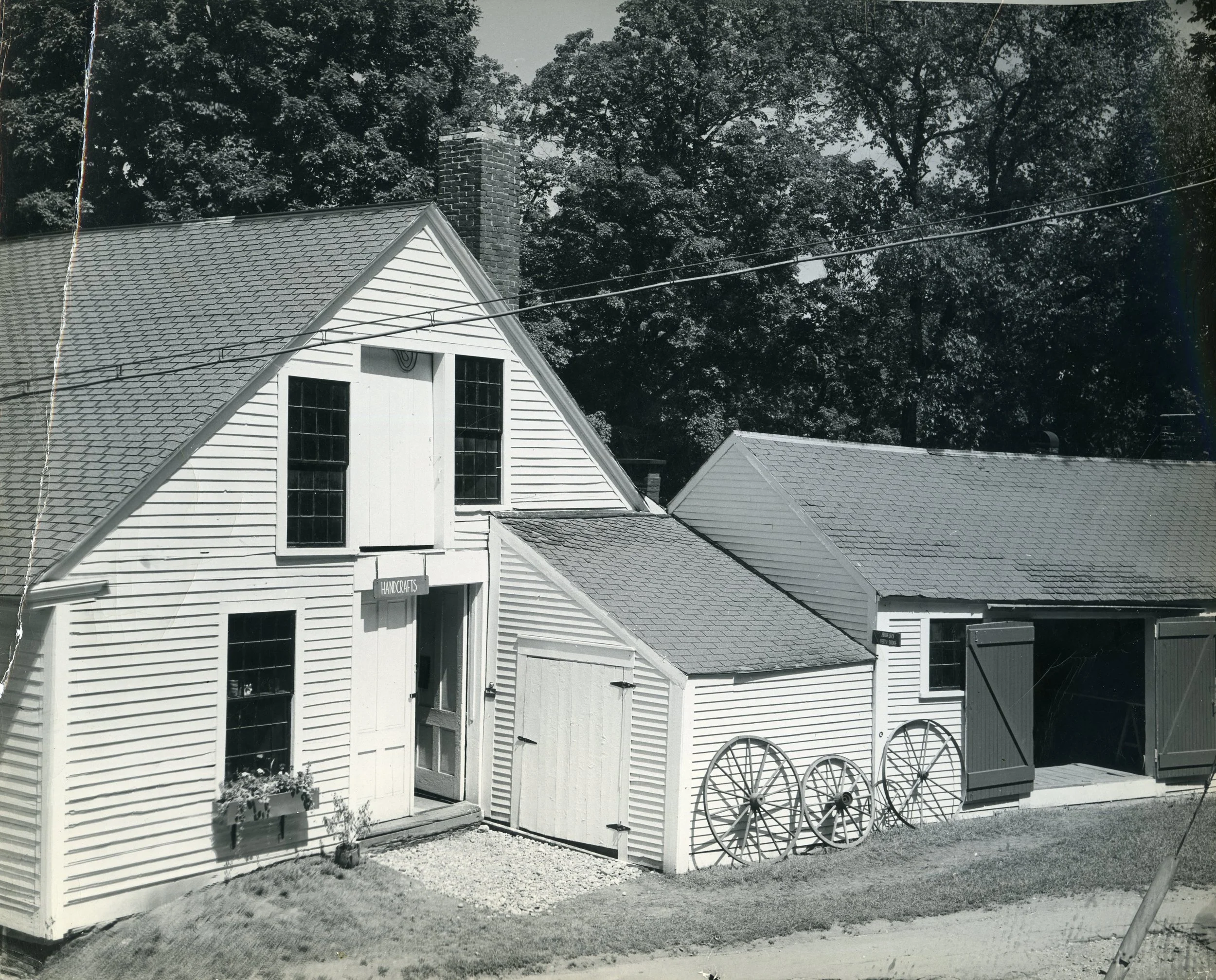
The original building at 73 Central Street was built by Thomas Witt Jr. in 1826 as one of the blacksmith shops in the Village of Woodstock. Witt’s house was located next door. It appears that this shop was continually used as his blacksmith shop until around 1856. After this, the shop was in hands of Laurel Gillingham, father of F.H. Gillingham. Gillingham’s blacksmith shop supposedly contained five forges and a wheelwright shop. It remained in use as a blacksmith shop through 1904. F. H. Gillingham’s son Rolfe and his family resided at the house next door from at least 1929 through 1949. By 1910, the blacksmith shop was used for storage.
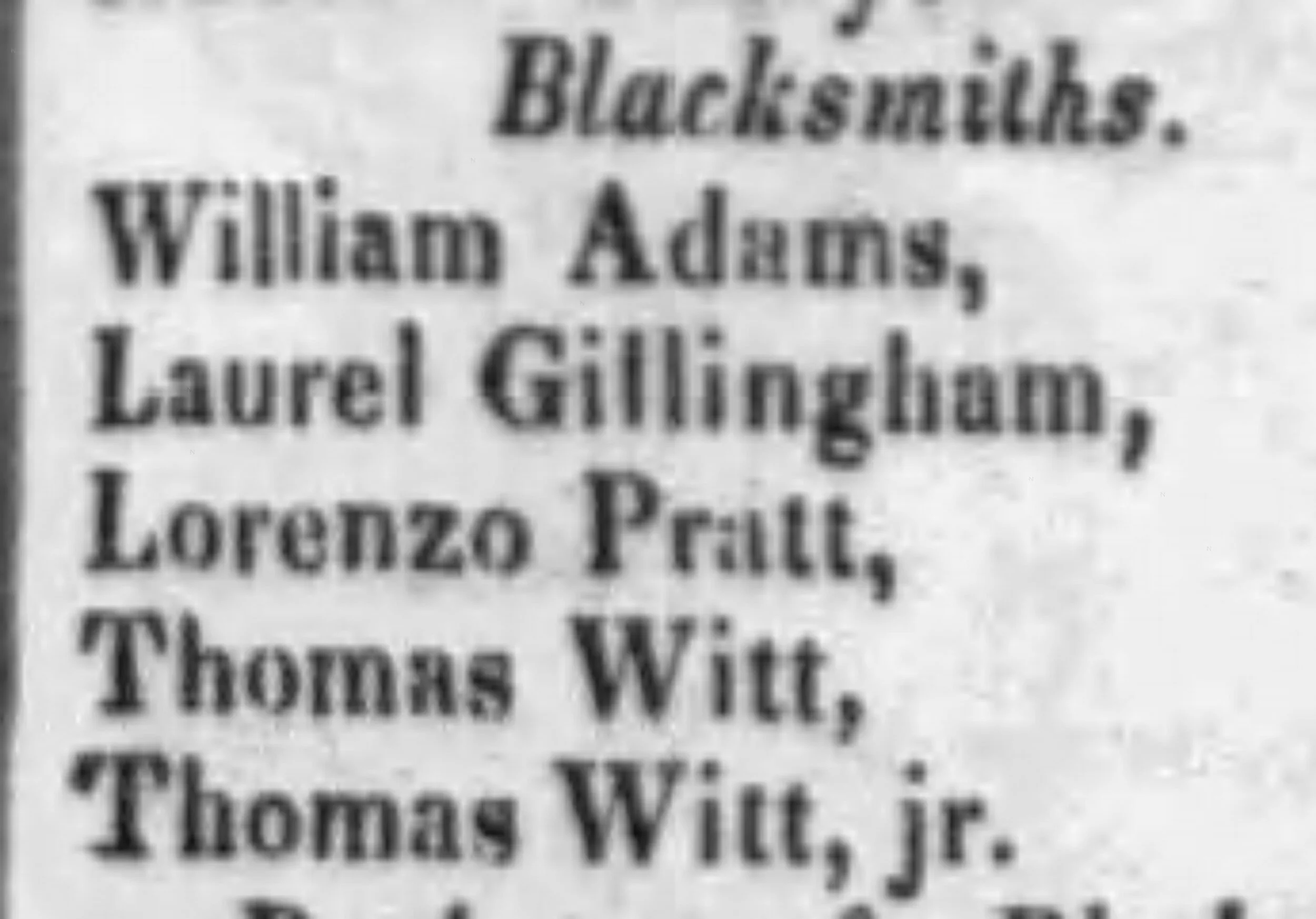
In 1841, there were five blacksmiths listed in Walton’s Vermont Registry in the village of Woodstock including Thomas Witt, Jr. who ran the shop at 73 Central Street until around 1856.
Nancy Wickham Boyd and The Vermont Workshop
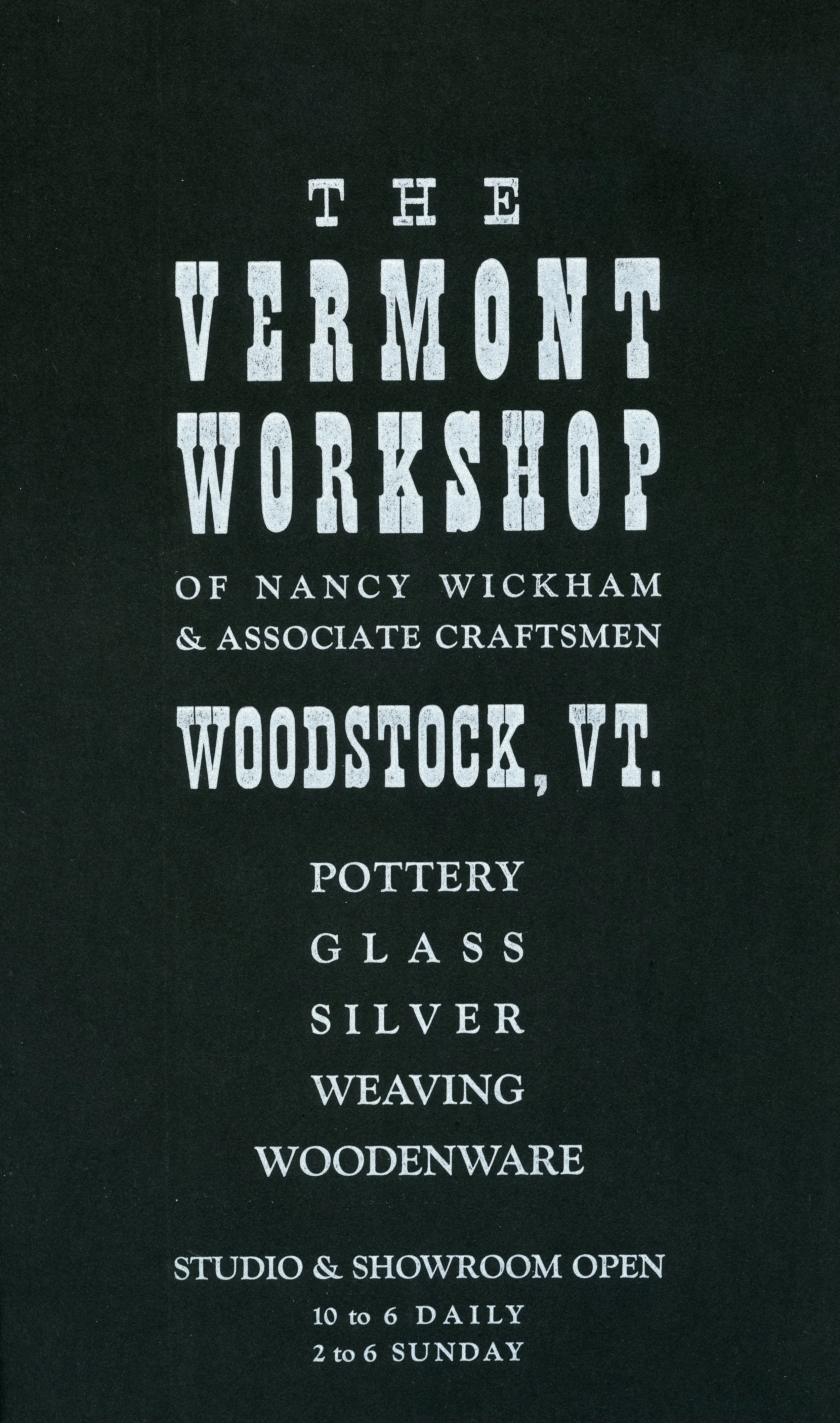
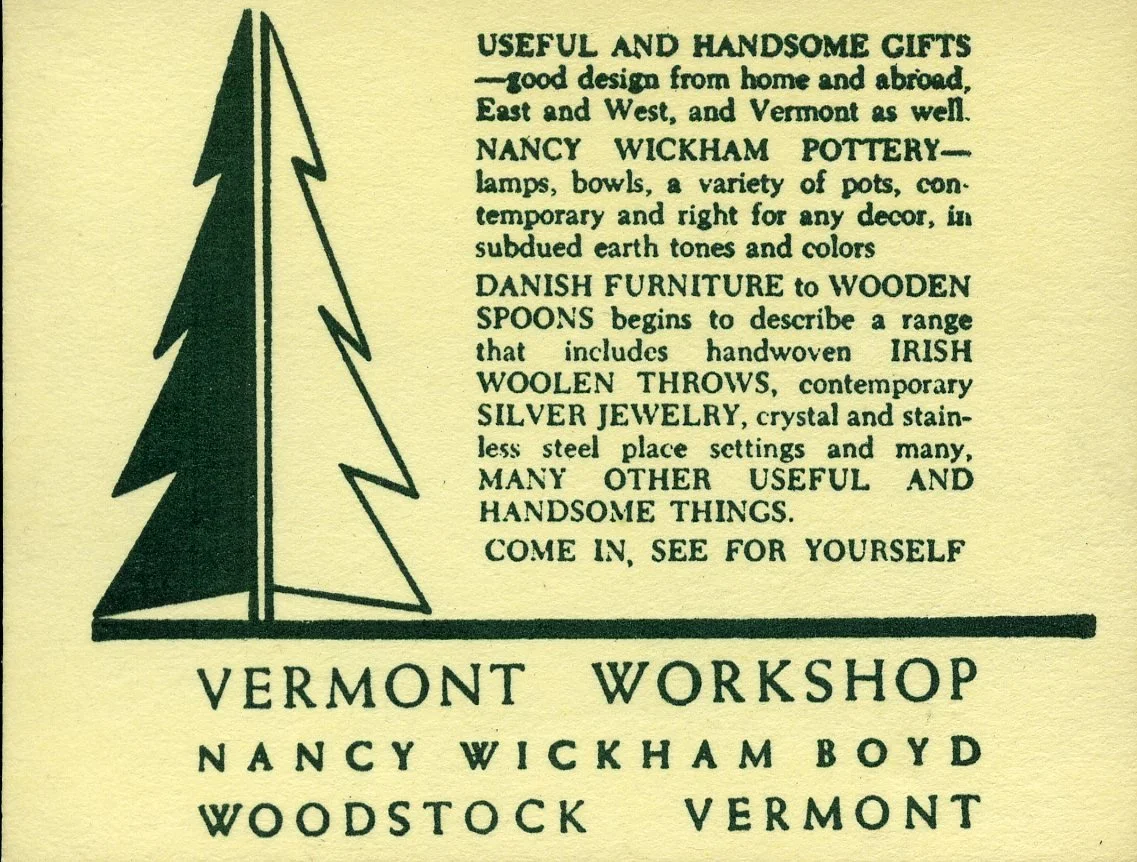
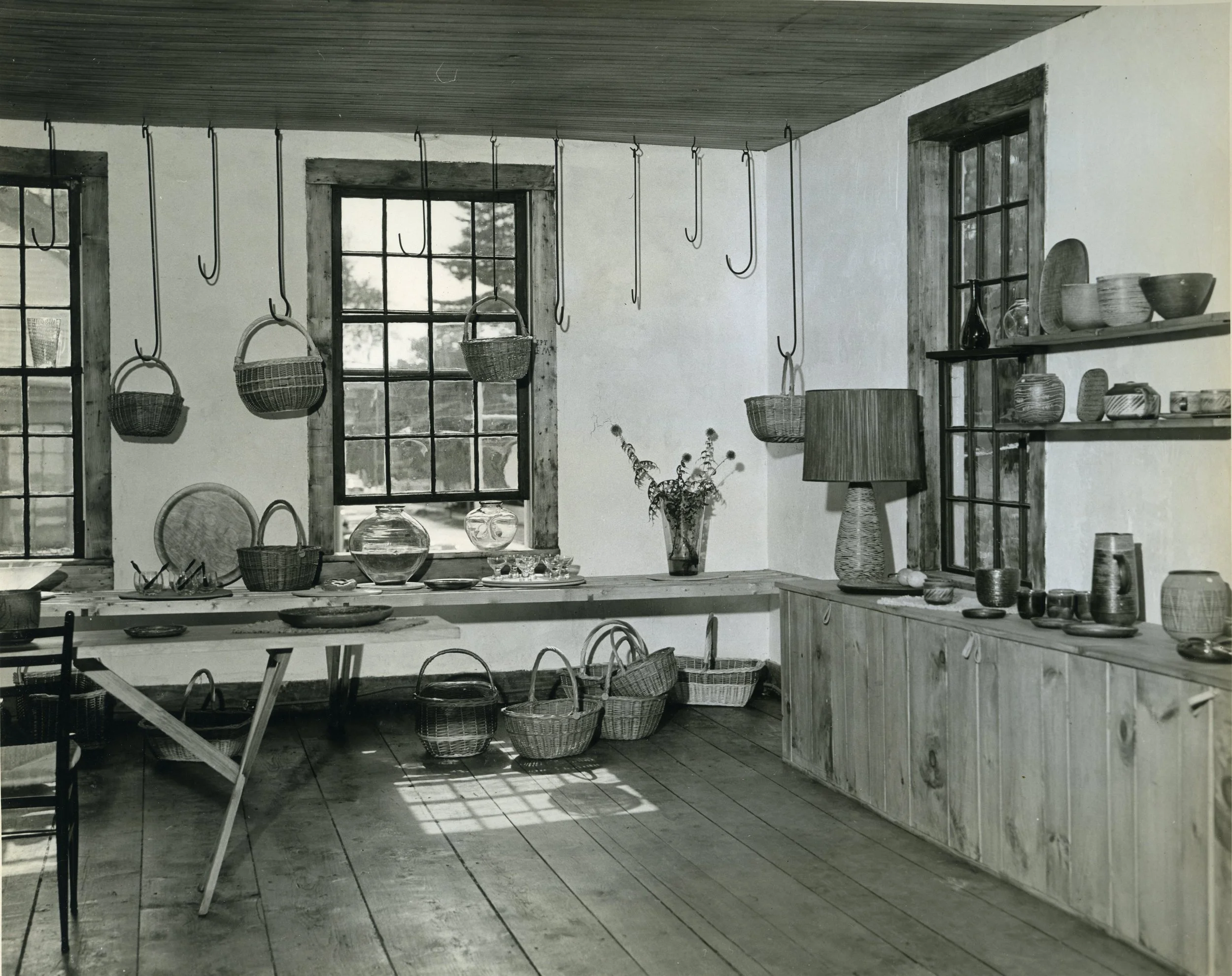
The Vermont Workshop was established in this building in July 1949. Nancy Wickham Boyd was a pottery maker. The shop had the merchandise of several potters, a weaver, jeweler work, and other handcrafts.
“I came to live in Woodstock with my Aunt and Uncle when I was 16. I worked for a year at The White Cupboard, which they owned. Then I went to Art School, but found it to be basically a ‘How-to-Keep-the-Girls-Busy’ type school. So when I read an article in Woman’s Day Magazine that said for $35 a woman would teach you how to make pottery in a week. I went to Pennsylvania to learn. But I promptly got the flu and after seven days, I’d used up my week, and my $35, but hadn’t learned anything because I’d been sick in bed the whole time. The lady let me take another week free of charge. After that week she asked me to stay and work with her. I did. I worked with her for a year and then taught at the Philadelphia School for The Blind. Soon it was apparent that I knew more about pottery than anything else so it seemed the logical direction to go in, I have this compulsion to excel. Later, I went to work at a pottery factory in New York and in three months I was designing for them as their manager. Work was an addiction with me. I was more comfortable with work than I was with people.”
Wickham lived on her own from an early age and later attended Alfred University as a special student in 1943. “In 1946, her breakfast set made in connection with the firm Design Technics was displayed in the Ceramic National Exhibition, the competitive arena of the era sponsored by the Syracuse Museum of Fine Arts.
“I had my own studio in New York but I decided I would like to have a summer studio in Vermont if I could work it out.” So in April 1949 she returned to Woodstock and made a ‘ridiculous offer’ for a piece of property with a three story building on it and a 14 room house. She was as shocked as anyone when the offer was accepted. The building was needed a lot of work. The first floor was used as a blacksmith shop, the second floor was a carriage cleaning/painting shop, and the third floor had most recently used to keep chickens. “When we remodeled this section, we shoveled out seven truckloads of chicken manure.” “We spent a lot of time working with the building trying to keep it authentic but had to take out some beams where they tied the horses— the horses chewed right through them.”
“The original idea of the Vermont Workshop was to have nothing but Vermont craftsmen. When we started out we had a jeweler, a weaver, and a couple of potters.”
“We have always had Scandinavian furniture. Just after the Second World War there was a firm called Swedish Modern. In New York. They used to sell my lamps by the hundreds. They were very generous to me and helped make this whole move to Vermont possible.”
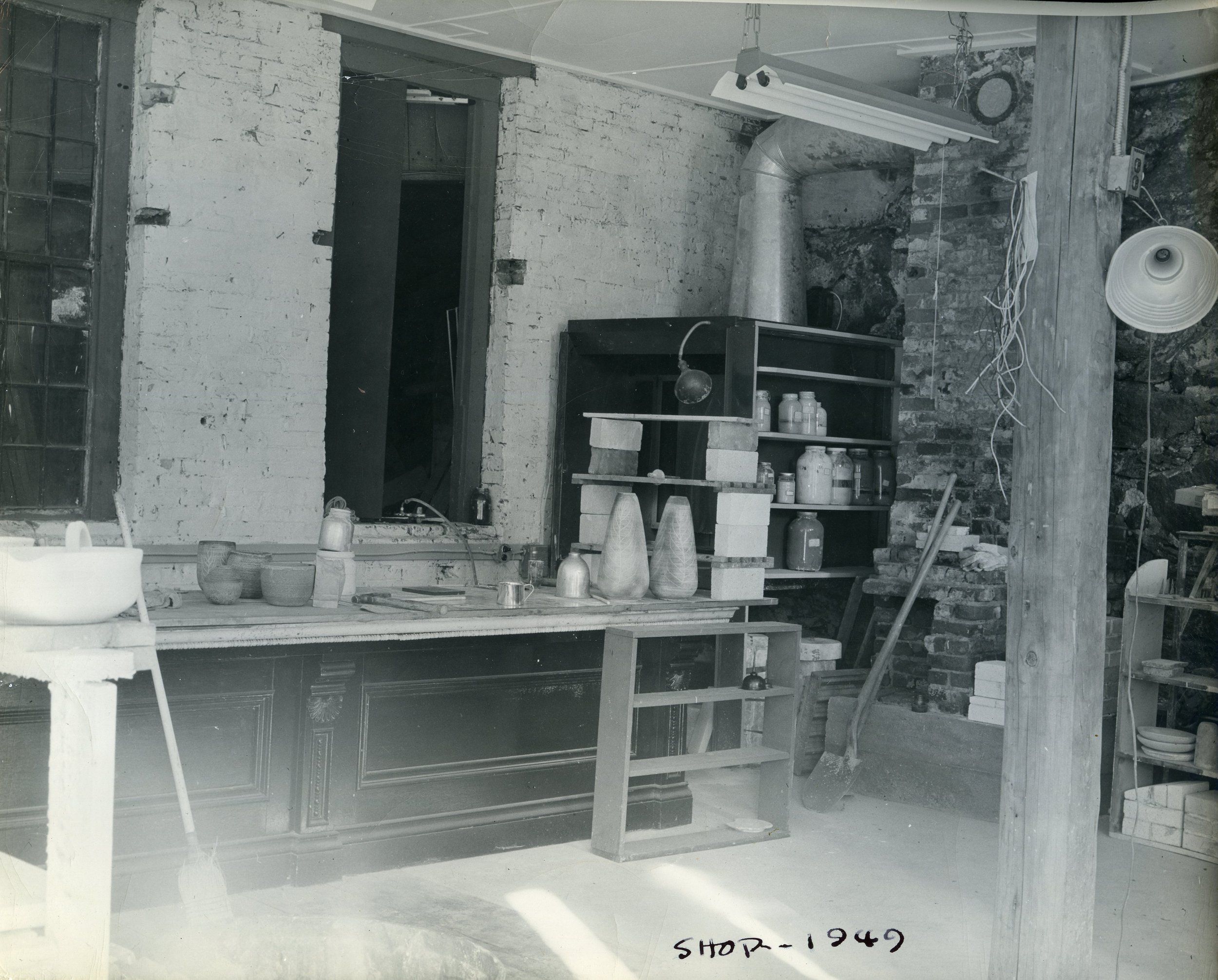
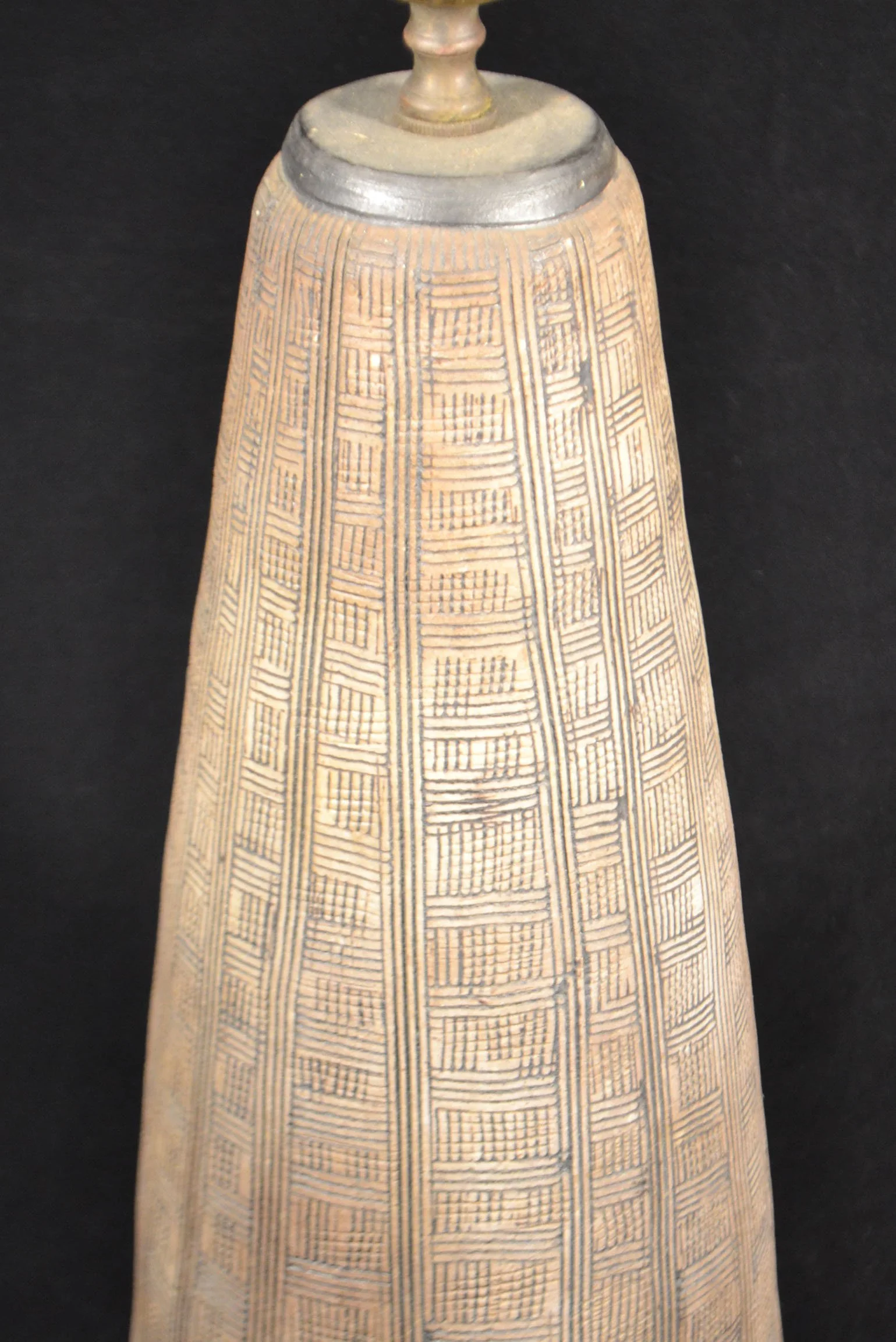
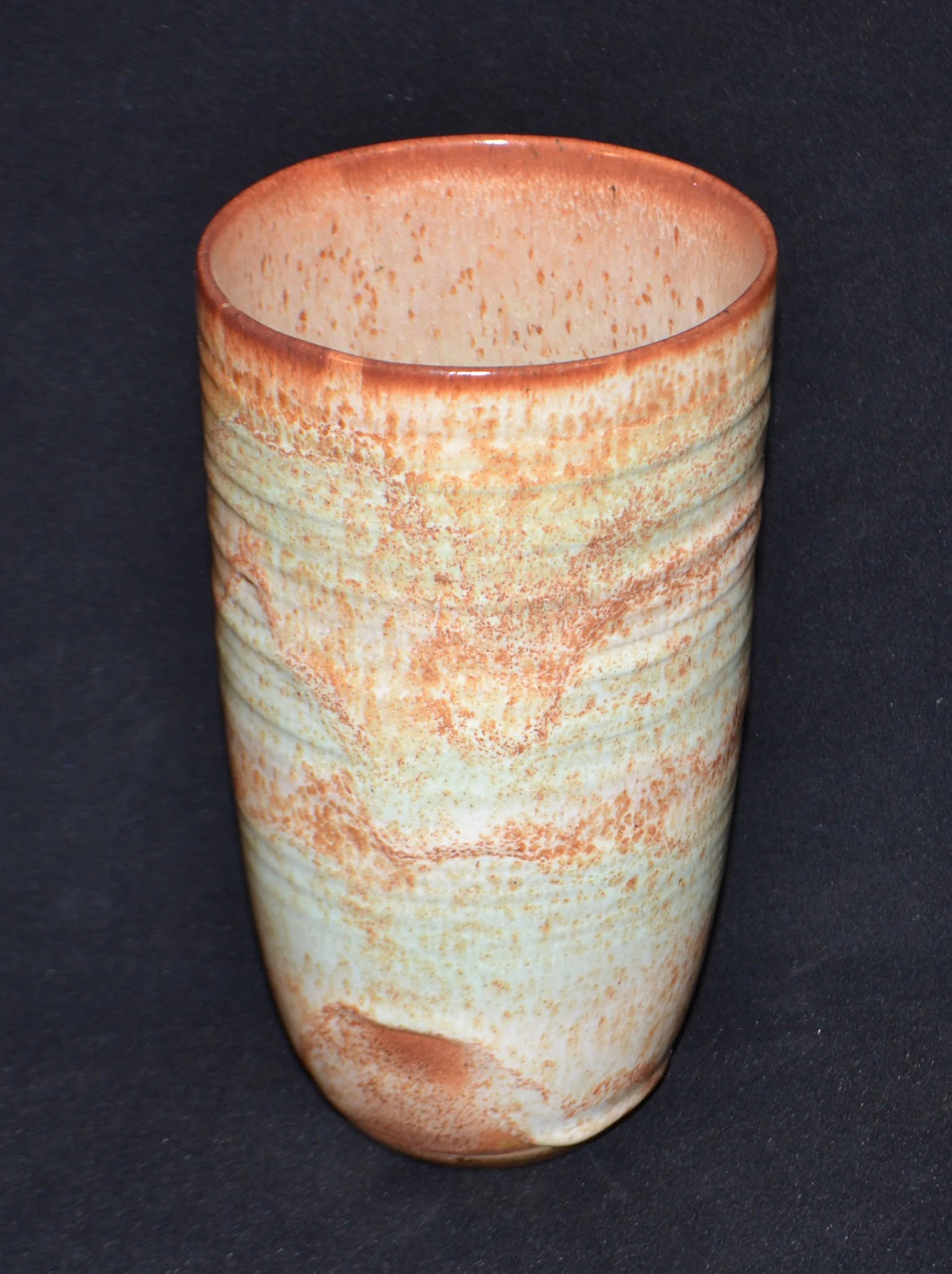
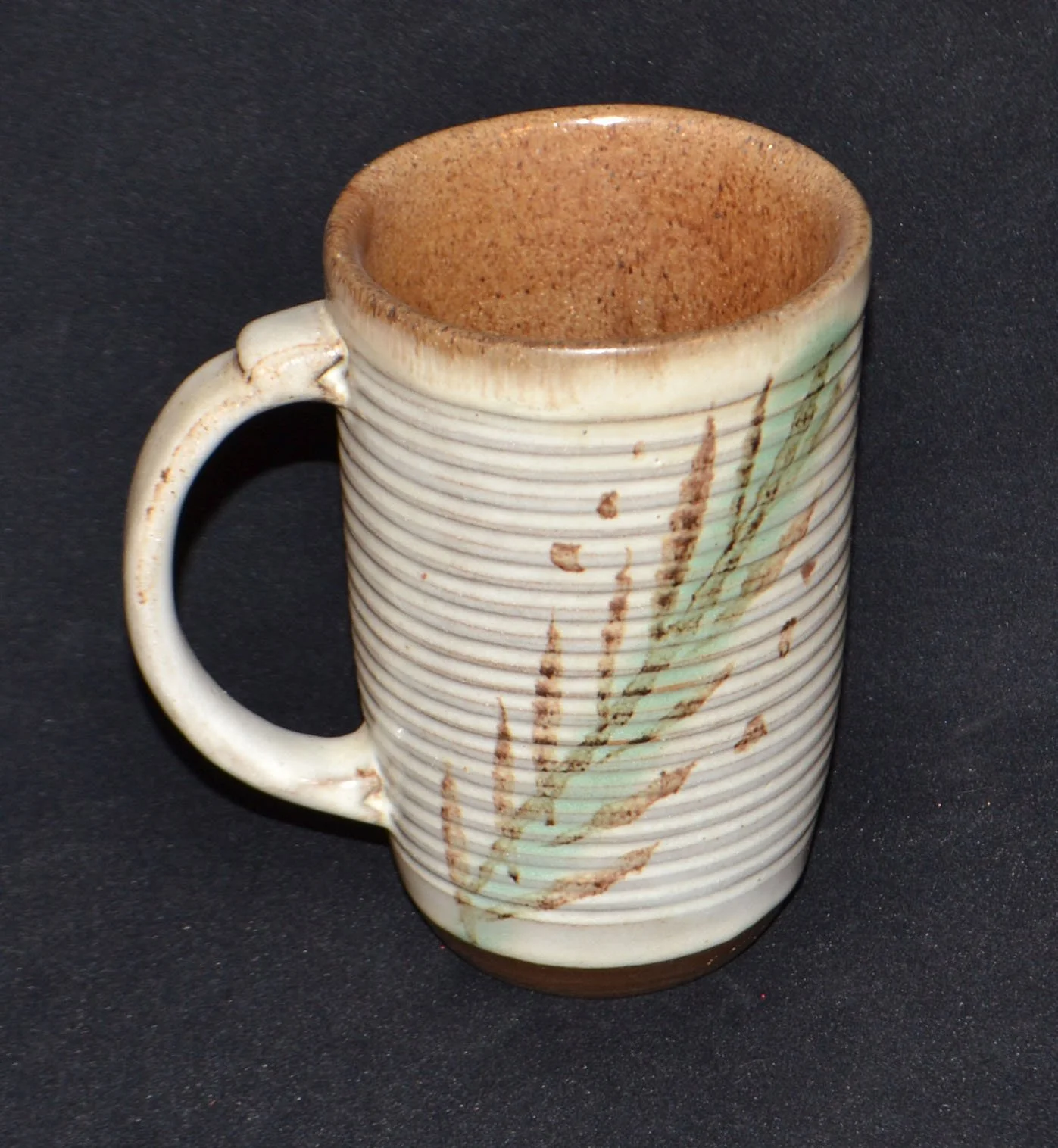
“We were in the building era then, and everyone was furnishing rooms and in need of lamps. No other material with equally lasting qualities can furnish as much natural warmth and humanness. So I decided to turn my pottery making into lamps.”
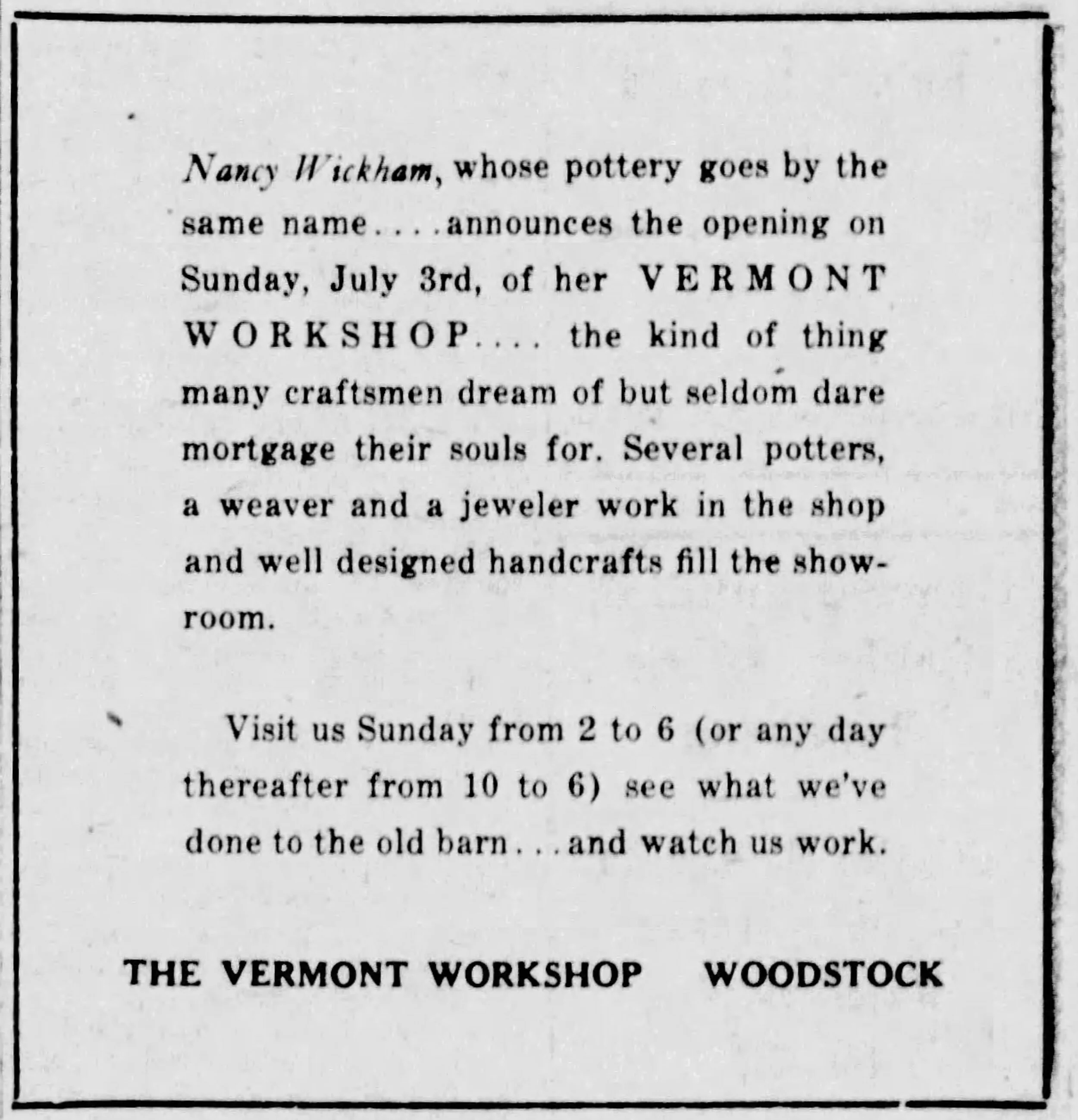
“A careful selection of contemporary pieces compliments the old traditional homes. You aren’t consciously aware that it is modern.”
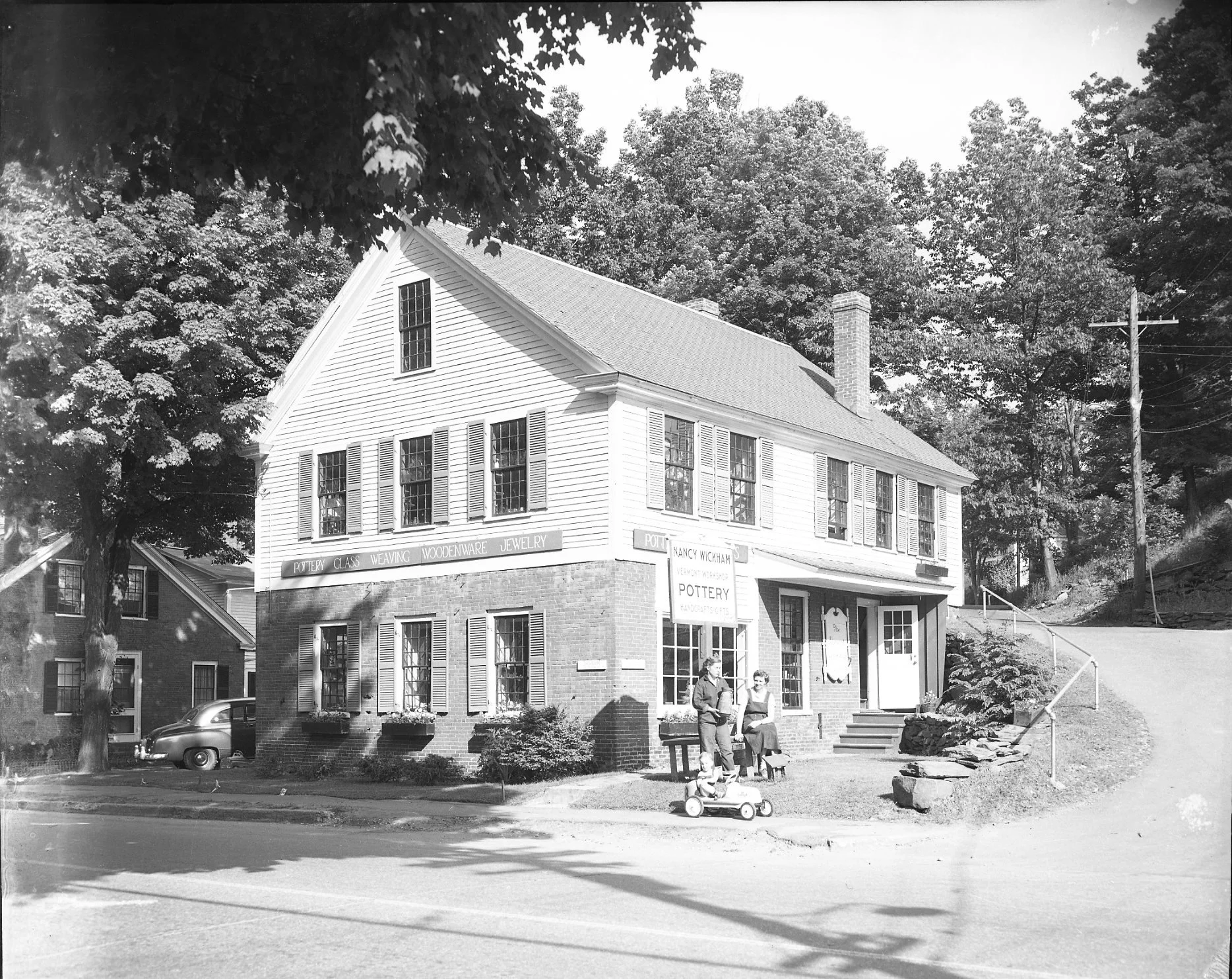
Vermont Workshop of Nancy Wickham. Ken Miner, photographer.
Zack’s Place
The building today is currently being used as a free enrichment center whose mission is to empower special-needs people of all ages to express themselves through art, music, dance, literacy, athletics, and fitness while developing bonds of friendship. The center was founded in 2006 by the parents of a teenager who were seeking fellowship and creative outlets for their son with Cerebral Palsy, who would soon age out of the public education system. With few post-educational resources available, Zack’s parents created “Zack’s Place” in answer to the daunting issue of what do special-needs individuals and their families do after their school years have ended.